
Circular Electrical Connectors: A Practical Guide to Reliable Cable Connections

Why Circular Electrical Connectors Matter
Electrical connections are found in many types of equipment, from control systems and industrial machinery to outdoor electrical installations. In these applications, a connector needs to do more than join two conductors. It should also suit the cable, operating environment, available installation space, and maintenance requirements.
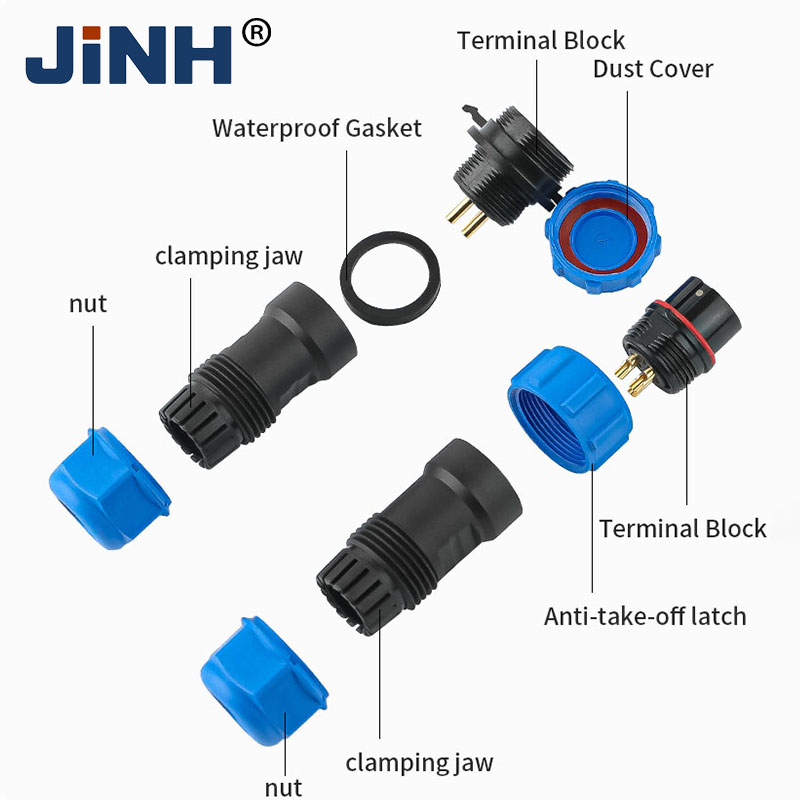
Circular electrical connectors are commonly selected for applications where a compact connection interface and secure mating arrangement are important. Depending on the specific design, they may feature a threaded coupling, locking components, a protective cover, and metal contacts housed inside an insulating body.
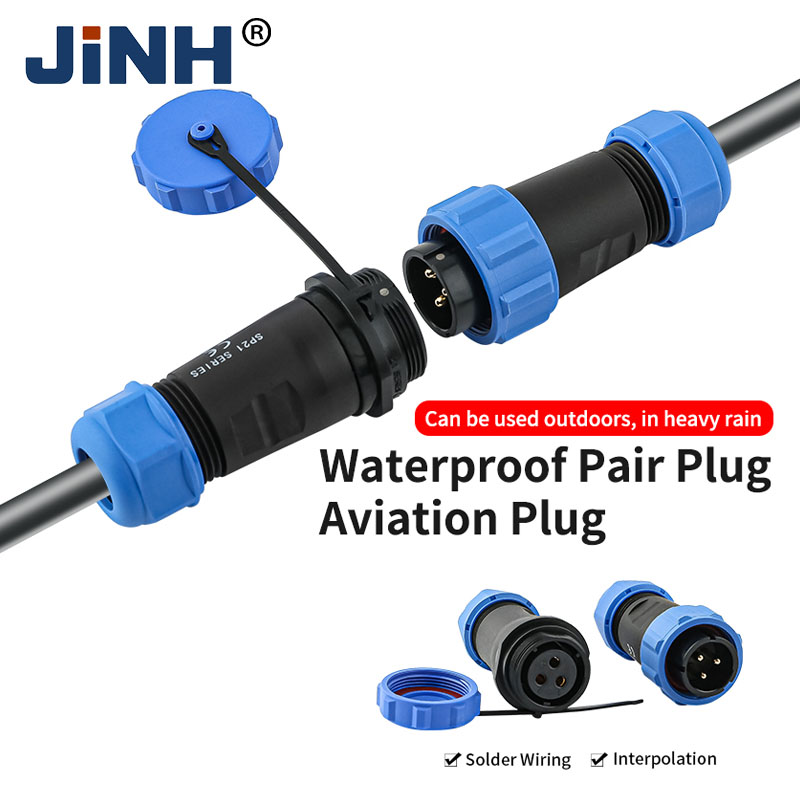
The product shown in the JINH image has a black cylindrical housing, blue coupling components, exposed metal contacts, and a tethered protective cap. These visible features provide a useful starting point for identifying the connector's external structure. However, its exact electrical ratings and environmental protection capabilities must be confirmed using the corresponding product datasheet.
Key Features to Consider in a Circular Connector
Not all circular connectors are designed for the same purpose. When comparing products, buyers should look beyond appearance and consider the connection design and technical requirements.
1. Connector Housing and Coupling
The housing protects the internal connection components and provides the external structure needed for handling and installation. Depending on the model, a coupling nut or locking mechanism helps secure the mating connection.
Before purchasing, check how the connector mates with its counterpart and whether the locking arrangement suits the intended equipment.
2. Contact Configuration
The number, arrangement, and type of contacts determine how a connector can be used in a particular circuit. The product image shows visible metal contacts, but the exact contact count and electrical configuration should be verified against the model specification.
Do not assume that connectors with similar housings have the same pin arrangement or are interchangeable.
3. Protective Cap
A protective cap can help cover the connector interface when it is not in use. This may be useful during storage, transportation, installation, or maintenance. The level of protection provided depends on the actual product design and its rated specifications.
If the connector will be installed outdoors or in a demanding environment, confirm the manufacturer's instructions for cap use, sealing, and environmental protection.
4. Cable Compatibility
Cable diameter, conductor size, cable construction, and termination method all influence connector selection. Choosing a connector that matches the intended cable helps support proper assembly and reliable contact.
Where Are Circular Electrical Connectors Used?
Circular connectors are used across different electrical and equipment applications. The appropriate use depends on the connector's design, electrical ratings, and environmental specifications.
Potential applications may include:
-
Industrial equipment: connecting electrical cables to compatible machines or equipment assemblies.
-
Control and automation systems: providing connection interfaces where the selected connector matches the control circuit requirements.
-
Electrical equipment assemblies: organizing detachable cable connections during equipment installation and servicing.
-
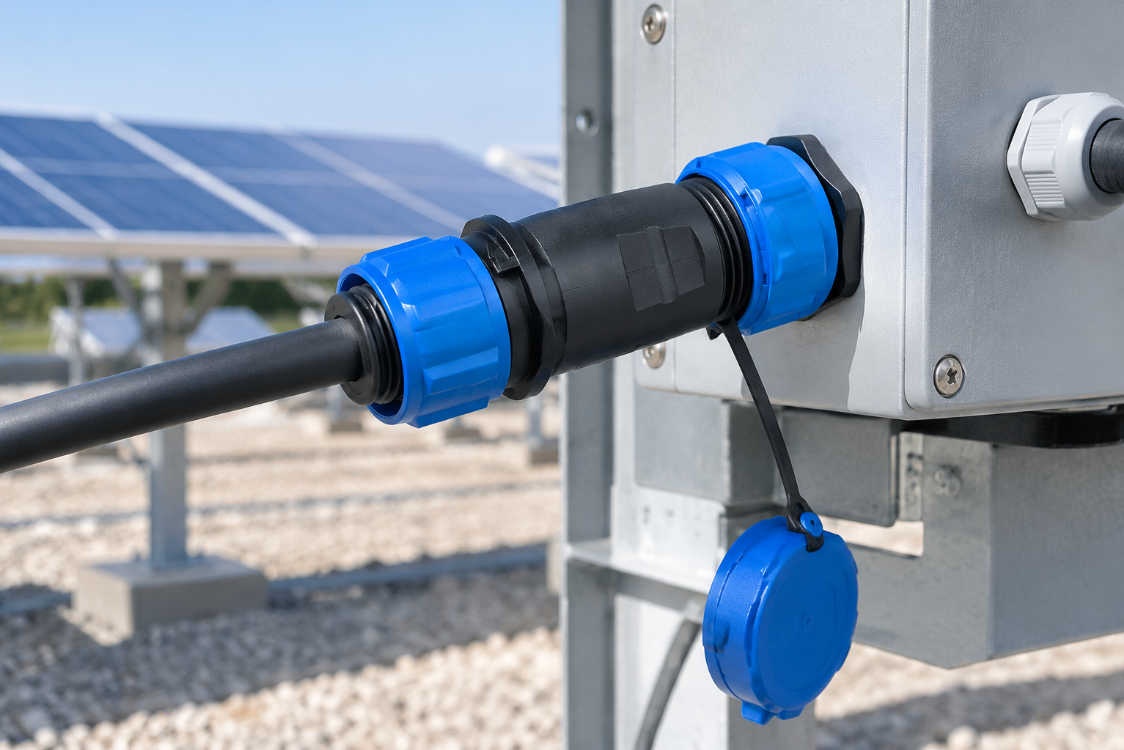
Outdoor equipment: connecting cables in suitable environments when the connector's protection ratings and installation conditions have been verified.
-
Maintenance and replacement projects: replacing an existing connector after confirming its contact arrangement, cable compatibility, and mating interface.
For every application, the connector should be selected according to the actual circuit and installation conditions. A connector's appearance alone does not establish its suitability for outdoor use, exposure to moisture, or other demanding environments.
How to Choose the Right Circular Electrical Connector
A few checks before ordering can help reduce compatibility issues and unnecessary replacement costs.
Confirm the Mating Interface
Identify the exact connector series and mating part. Check the coupling type, connector dimensions, and contact arrangement rather than relying on visual similarity.
Review Electrical Ratings
Verify the rated voltage, current, contact specifications, and other relevant electrical characteristics in the product datasheet. The selected connector must be suitable for the intended circuit.
Check Cable Requirements
Confirm the supported cable diameter, conductor size, and termination method. If the cable differs from the standard specification, ask the supplier whether an alternative configuration is available.
Consider the Installation Environment
Temperature, moisture, dust, vibration, and mechanical stress may affect connector selection. Review the manufacturer's documented protection rating and operating conditions before using the product in a specific environment.
Follow Installation Instructions
Use the specified assembly procedure and suitable tools. Ensure the contacts are correctly terminated and the coupling mechanism is properly secured. Before installation or maintenance, follow the equipment manufacturer's safety procedures and isolate electrical power when required.
Choosing a Supplier for Electrical Connection Products
For distributors, equipment manufacturers, and electrical contractors, a suitable supplier should provide clear model identification and reliable technical information. Consistent specifications, appropriate product documentation, and responsive communication can make the purchasing process more efficient.
JINH specializes in electrical connection products for a variety of applications. When requesting information about a circular electrical connector, buyers can provide the required contact configuration, cable specifications, mating-part details, operating environment, and estimated quantity. These details help the supplier identify a suitable product more accurately.
Before confirming an order, request the latest datasheet and verify all specifications relevant to the application. This is particularly important when replacing an existing connector or integrating a new component into equipment already in service.
Final Thoughts
Circular electrical connectors help establish organized cable connections in many types of electrical equipment. Selecting the right model involves more than matching the external shape: contact configuration, cable compatibility, coupling design, electrical ratings, and environmental requirements all need to be considered.
By preparing the relevant technical details before purchasing, buyers can make more informed decisions and reduce the risk of compatibility problems during installation.
 T-Type Insulation Displacement Connector: An Easy Way to Add Branch Connections Without Cutting the Main Wire
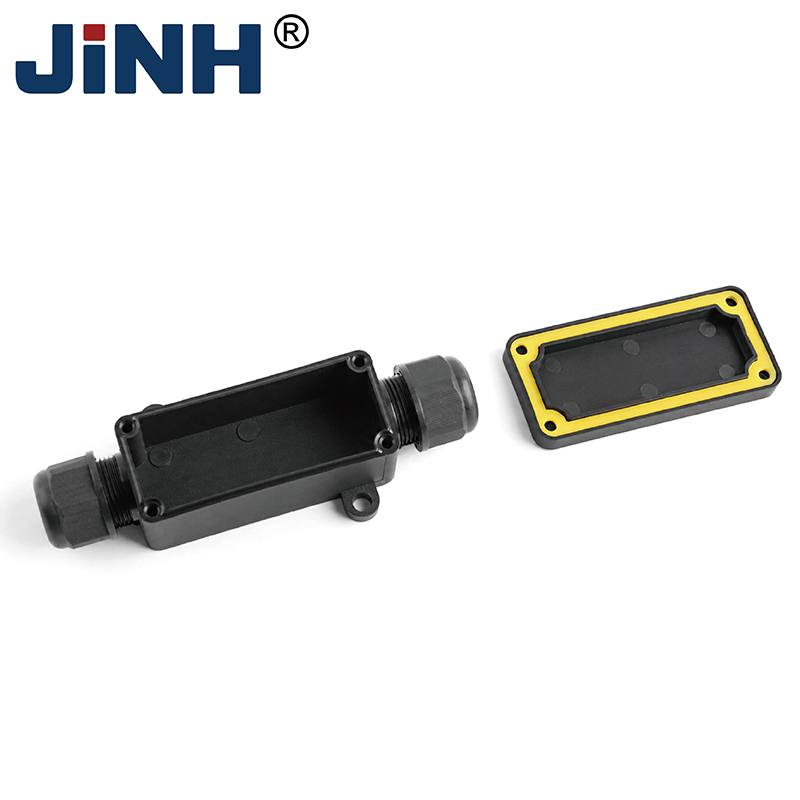 IP68 Waterproof Junction Box: A Reliable Solution for Outdoor Cable Connections
 MC4 T Branch Connectors: A Practical Connection Solution for Solar PV Systems
 Waterproof Junction Boxes: A Practical Solution for Organized Electrical Connections
 Multi-Input Multi-Output Wire Connectors: A Practical Solution for Efficient Electrical Wiring
 Waterproof Cable Connectors: What Matters When Making Electrical Connections Outdoors
 Plastic Terminal Blocks: A Simple Way to Keep Electrical Wiring Organized
 Reliable Connections for Outdoor Applications: JINH Waterproof Aviation Plugs
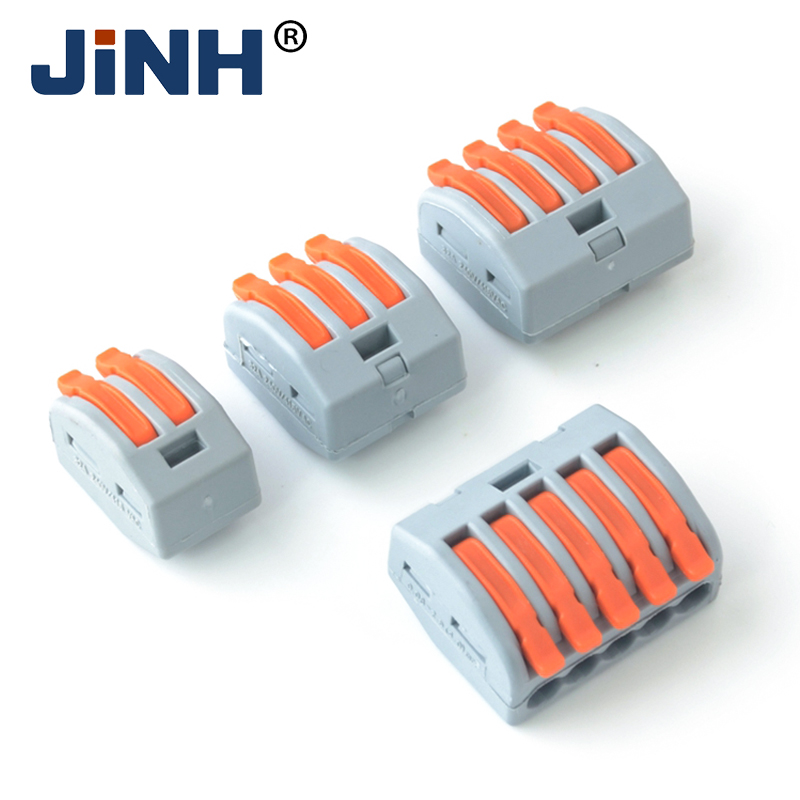 Fast and Flexible Wire Connections: JINH Lever Wire Connectors for Easy Wiring
 Better Protection for Outdoor Wiring: JINH Waterproof Junction Boxes for Reliable Electrical Connections
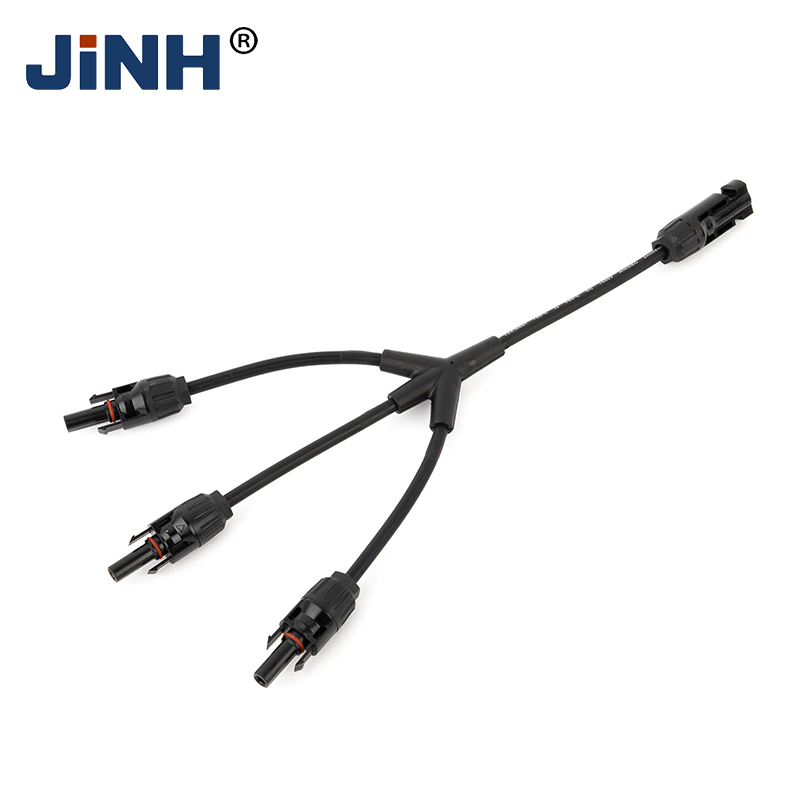 Simplify Solar Wiring with JINH MC4-Y1 Solar Branch Connectors
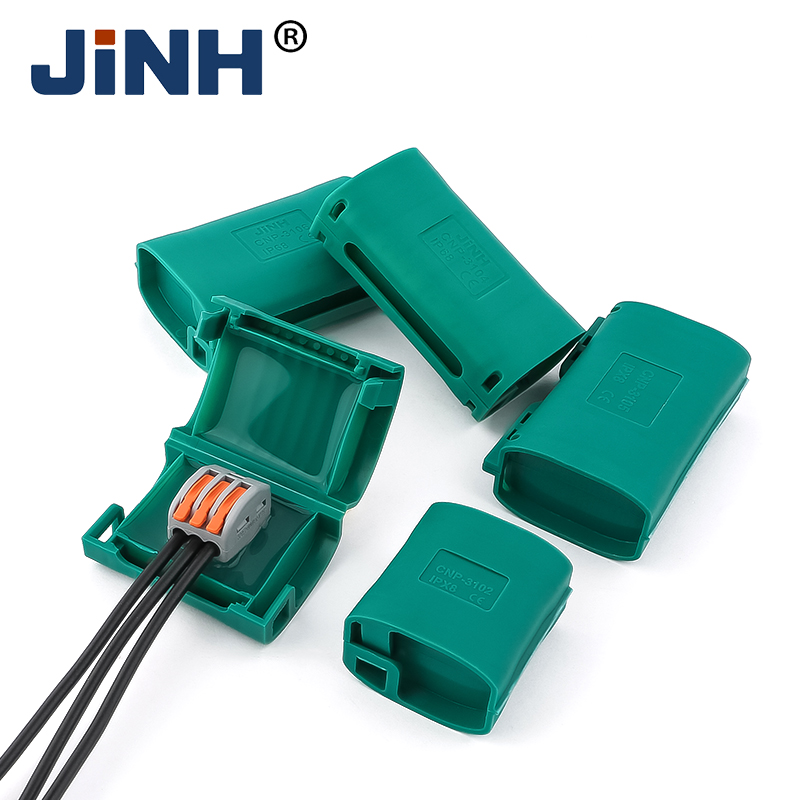 Protect Electrical Connections from Water Damage with JINH Gel Waterproof Junction Box
 Reliable Connections for Solar Power Wiring
 Faster Wiring, Safer Connections – JINH Lever Wire Connectors for Modern Electrical Projects
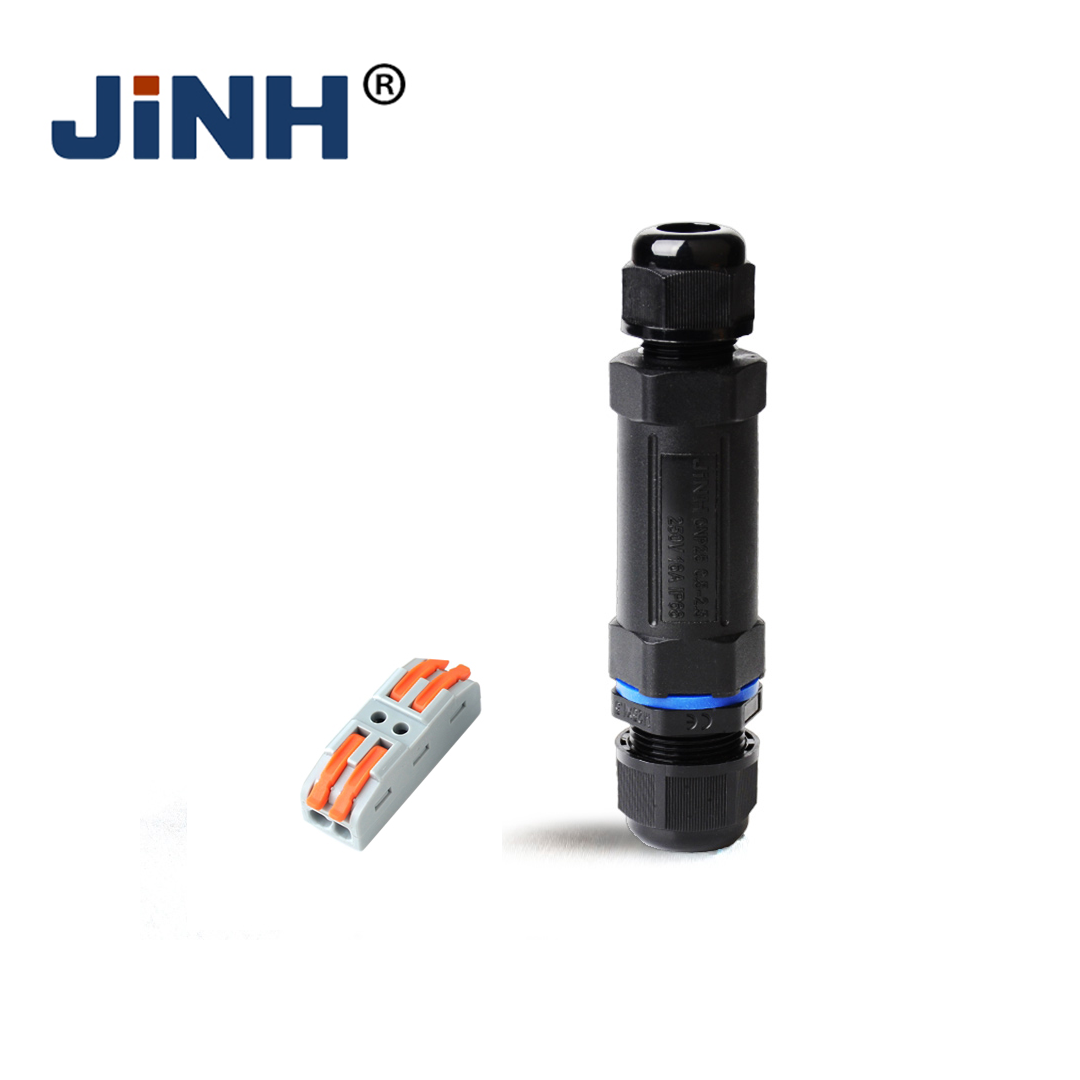 Waterproof Protection with Faster Wiring for Better Electrical Connections
 Waterproof Cable Connectors for Reliable Outdoor Electrical Connections
 DIN Rail Distribution Blocks for Safe, Efficient, and Reliable Power Distribution
 Fast and Reliable Wire Connections with JINH Lever Wire Connectors
 Waterproof Aviation Connectors Built for Harsh Outdoor Environments
 Why IEC 60309 Industrial Plugs Have Become the Preferred Choice for Reliable Industrial Power Connections