
MC4 T Branch Connectors: A Practical Connection Solution for Solar PV Systems

Why T Branch Connectors Matter in Solar Installations
In a solar photovoltaic (PV) system, reliable electrical connections are essential for connecting modules and arranging cable routes. As a PV array grows, installers may need to create branch connections between compatible solar cables. Choosing a connector designed for this purpose can help keep wiring organized and make installation planning more straightforward.
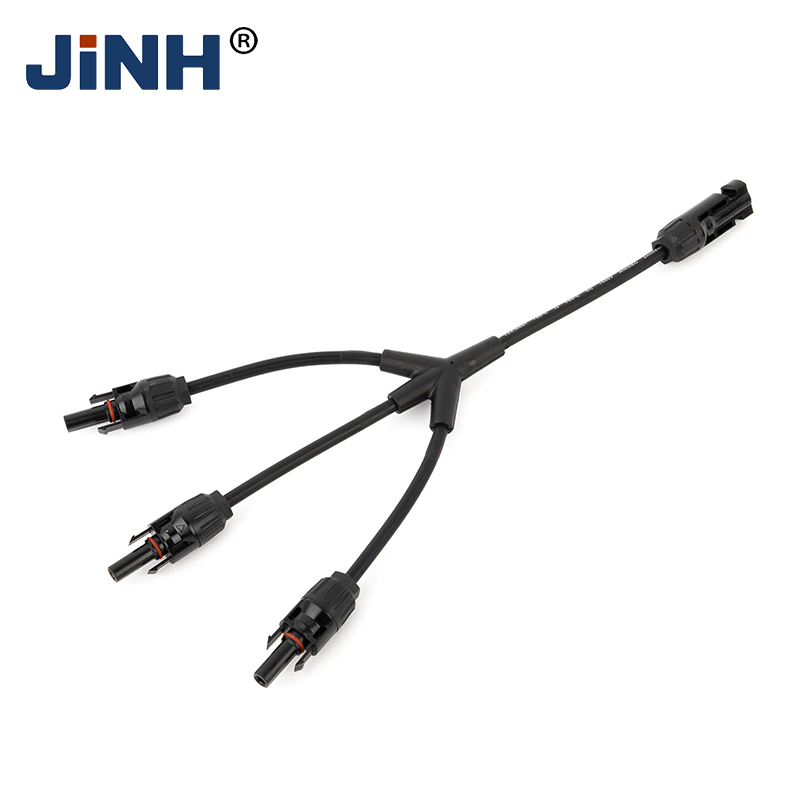
An MC4 T branch connector is designed to provide a branch connection for compatible PV connectors. Depending on the connector configuration and the system design, it can help connect solar cables at a branching point without requiring installers to arrange every connection separately.
Before choosing a connector, it is important to confirm that its connector type, electrical ratings, cable specifications, and polarity are suitable for the intended PV system.
Understanding the Structure of an MC4 T Branch Connector
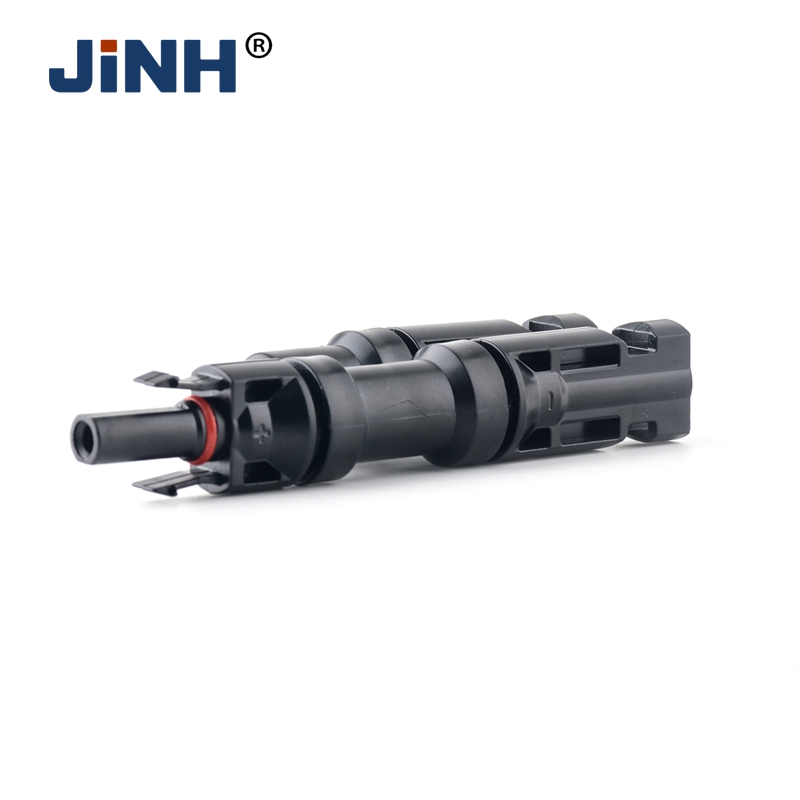
The T-shaped design provides a main connection path with a branch connection. This configuration can be useful when a solar installation requires cables to be routed from a common connection point.
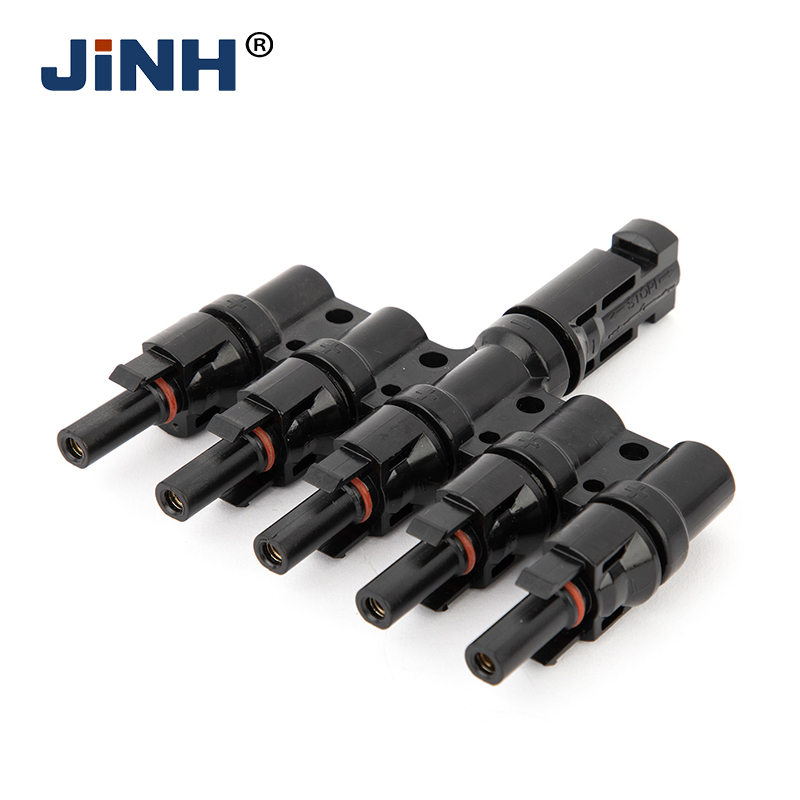
The black connector housing shown in the product image features multiple connection ends arranged in a branch configuration. Its compact form can help installers manage connections within a planned cable layout. However, the exact number of poles, mating combinations, and compatible cable sizes should be confirmed against the model's technical datasheet before installation.
Compatibility is particularly important when connecting components from different suppliers. Connectors should not be treated as interchangeable simply because they look similar or are described as MC4-compatible. Always follow the manufacturer's compatibility guidance and the applicable installation requirements.
Where Are MC4 T Branch Connectors Used?
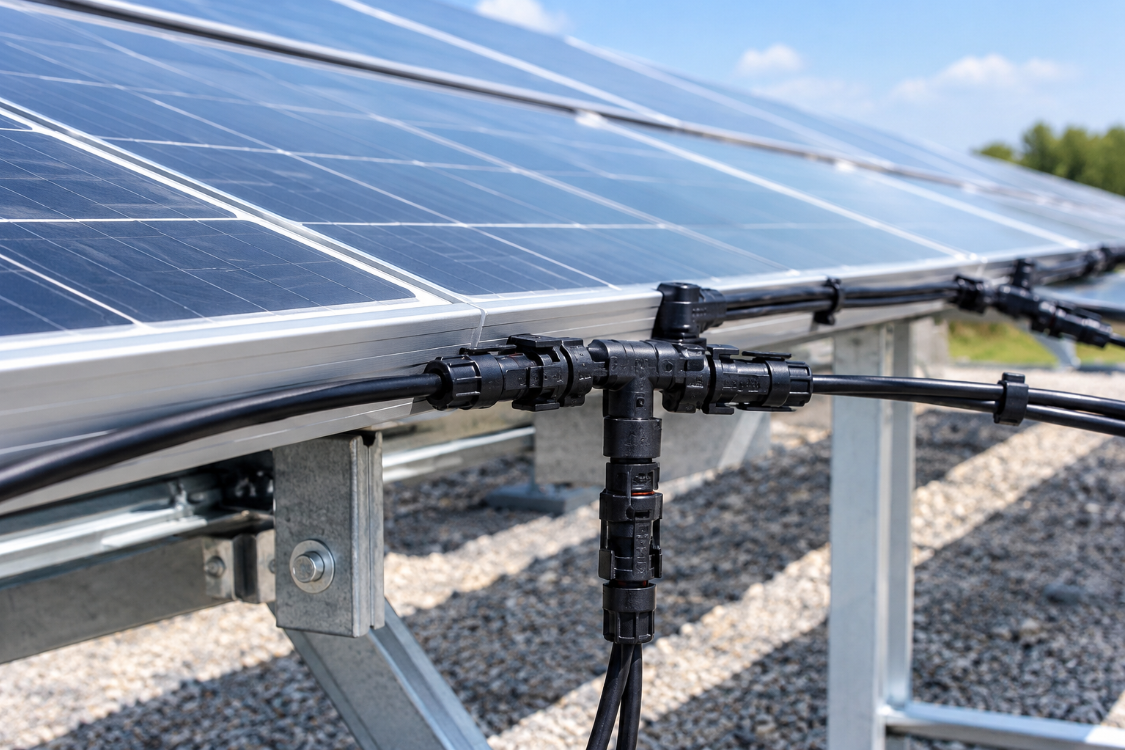
MC4 T branch connectors are commonly considered for solar PV wiring layouts where a branch connection is required and the connector configuration matches the system design. Potential applications include:
-
Residential solar installations: organizing cable connections within suitable rooftop PV arrays.
-
Commercial solar projects: supporting planned cable routing across larger PV installations.
-
Ground-mounted solar arrays: helping arrange branch connections where the electrical design calls for them.
-
PV system maintenance and upgrades: replacing or adapting connection components when the new parts are confirmed to match the existing system.
The appropriate connector depends on the actual circuit design. A T branch connector should not be selected solely because it reduces the number of separate cable runs; installers must also consider electrical design, string configuration, current limits, and manufacturer instructions.
What to Check Before Selecting a T Branch Connector
A suitable connector should match the requirements of the complete PV system. Buyers, distributors, and installers can review the following points before placing an order.
1. Connector Compatibility
Confirm the exact connector series and mating interface. Do not assume that products from different manufacturers can be safely mated based on appearance alone.
2. Electrical Ratings
Check the rated voltage, current, and other electrical specifications against the system design. The connector must be suitable for the intended application and installed in accordance with its rated limits.
3. Cable Size and Type
Verify the supported conductor cross-section, cable diameter, and cable type. A correct match helps ensure that the connector is suitable for the cable being used.
4. Environmental Requirements
Solar connectors may be exposed to sunlight, rain, temperature changes, and other outdoor conditions. Review the product datasheet for the applicable environmental and protection ratings rather than relying on appearance alone.
5. Installation and Maintenance
Follow the manufacturer's instructions for assembly, polarity, mating, and inspection. Connections should be installed by qualified personnel using the appropriate tools and procedures. Never connect or disconnect PV connectors under load unless the product is specifically designed and rated for that operation.
Choosing a Supplier for Solar Connection Products
For distributors, solar installers, and electrical equipment buyers, product selection involves more than appearance and price. Clear model identification, consistent specifications, suitable documentation, and responsive technical support all contribute to a smoother purchasing process.
JINH focuses on electrical connection products and supports customers looking for connection solutions for different applications. When evaluating an MC4 T branch connector, buyers can share the required connector configuration, cable specifications, system ratings, and target quantity to help confirm the appropriate model.
Before finalizing a purchase, request the current technical datasheet and verify all specifications relevant to the installation. This helps ensure that the selected connector matches the actual requirements of the PV system.
Final Considerations
MC4 T branch connectors can be a useful component in solar PV wiring when their configuration and ratings match the application. Reviewing connector compatibility, cable specifications, electrical limits, and installation requirements helps buyers make a more informed choice.
For project enquiries, prepare the required connector configuration and technical requirements before contacting a supplier. Accurate information makes it easier to identify a suitable product and avoid compatibility issues during installation.
 Waterproof Junction Boxes: A Practical Solution for Organized Electrical Connections
 Multi-Input Multi-Output Wire Connectors: A Practical Solution for Efficient Electrical Wiring
 Waterproof Cable Connectors: What Matters When Making Electrical Connections Outdoors
 Plastic Terminal Blocks: A Simple Way to Keep Electrical Wiring Organized
 Reliable Connections for Outdoor Applications: JINH Waterproof Aviation Plugs
 Fast and Flexible Wire Connections: JINH Lever Wire Connectors for Easy Wiring
 Better Protection for Outdoor Wiring: JINH Waterproof Junction Boxes for Reliable Electrical Connections
 Simplify Solar Wiring with JINH MC4-Y1 Solar Branch Connectors
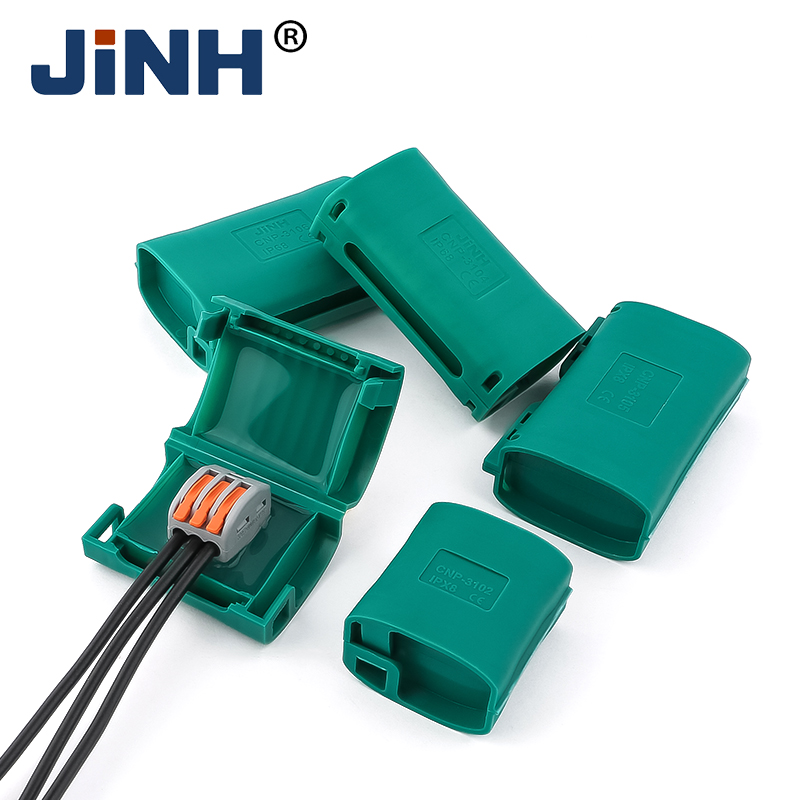 Protect Electrical Connections from Water Damage with JINH Gel Waterproof Junction Box
 Reliable Connections for Solar Power Wiring
 Faster Wiring, Safer Connections – JINH Lever Wire Connectors for Modern Electrical Projects
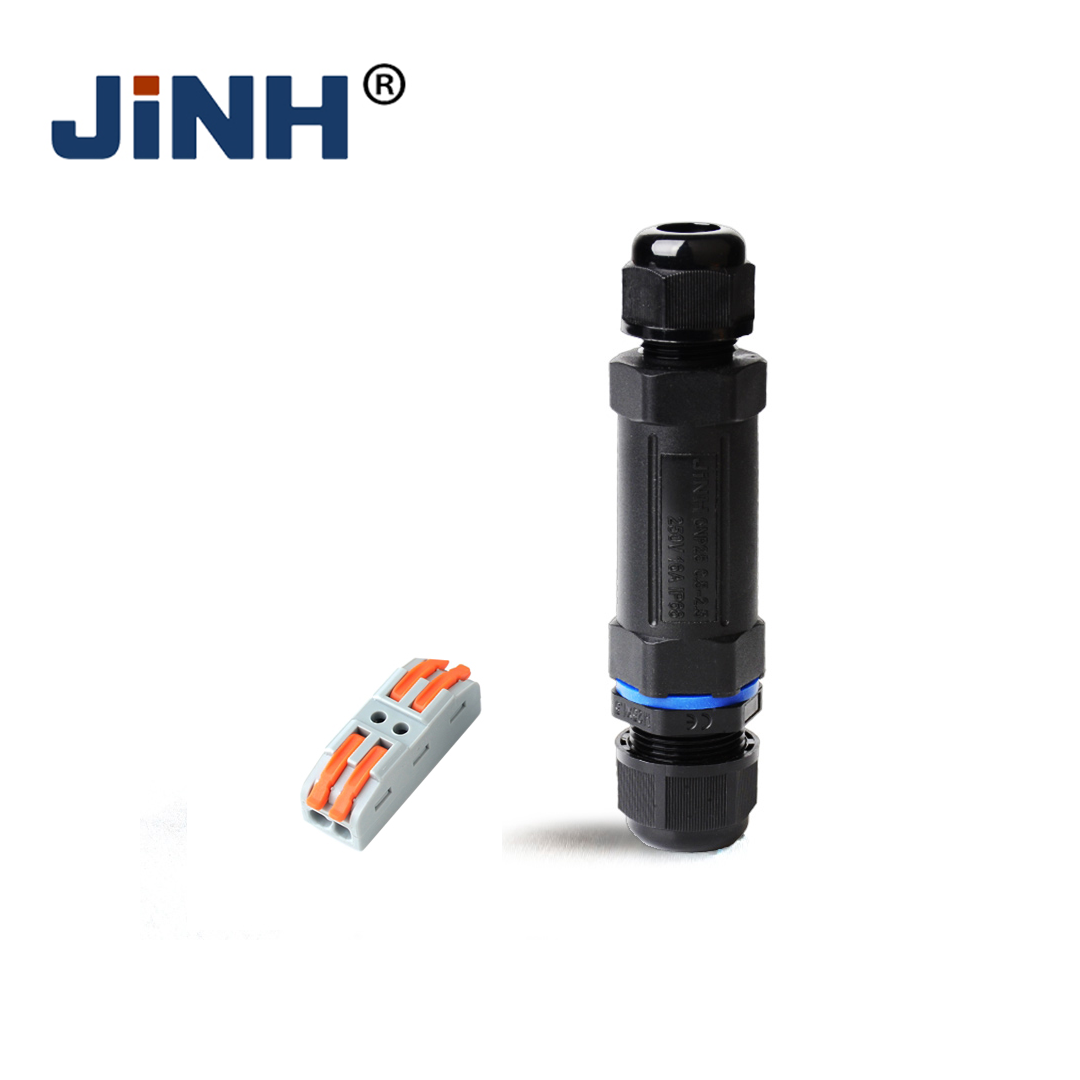 Waterproof Protection with Faster Wiring for Better Electrical Connections
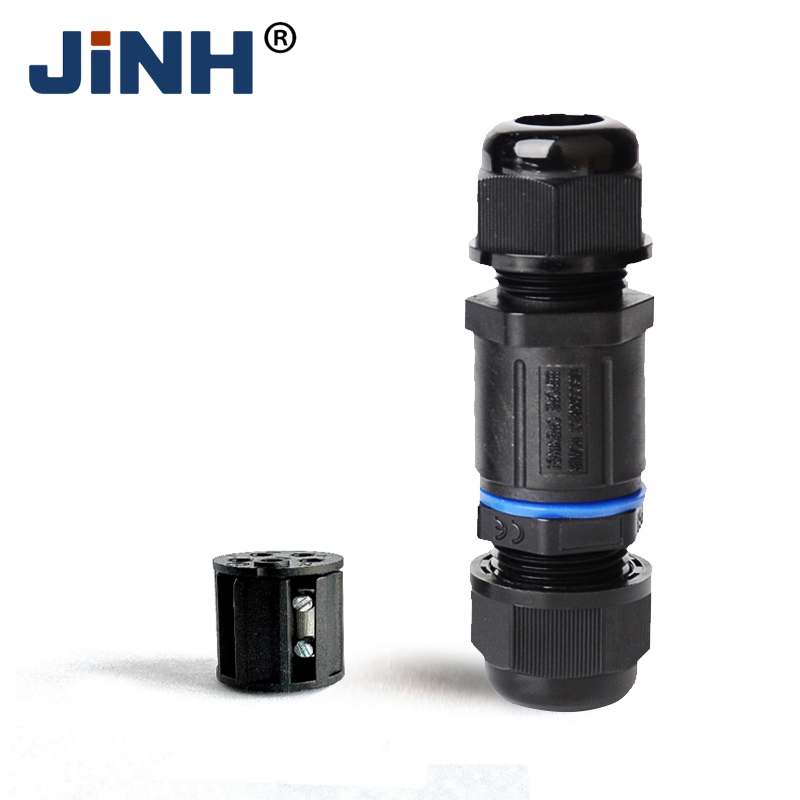 Waterproof Cable Connectors for Reliable Outdoor Electrical Connections
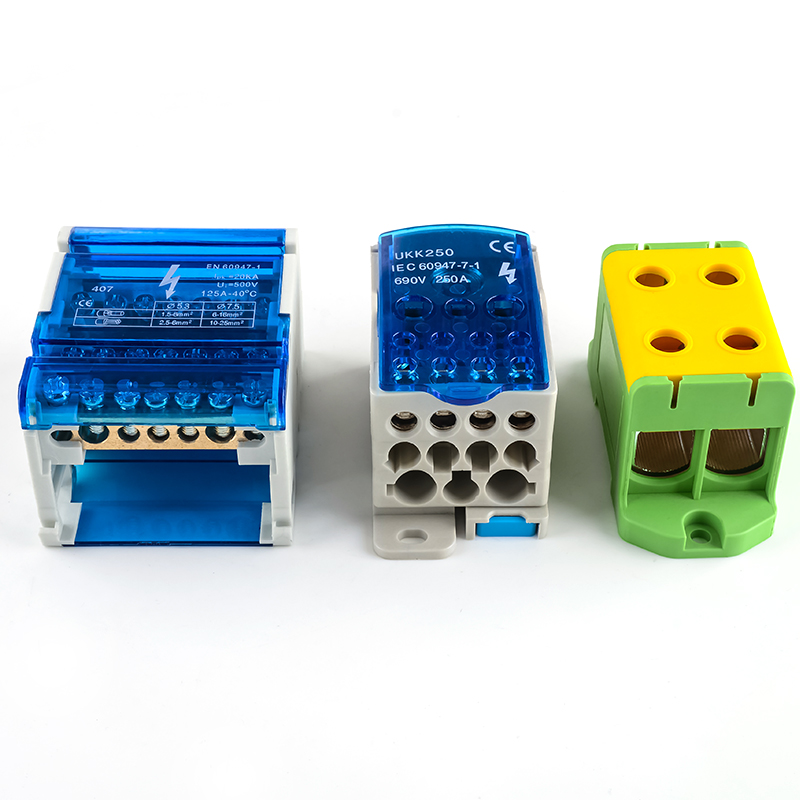 DIN Rail Distribution Blocks for Safe, Efficient, and Reliable Power Distribution
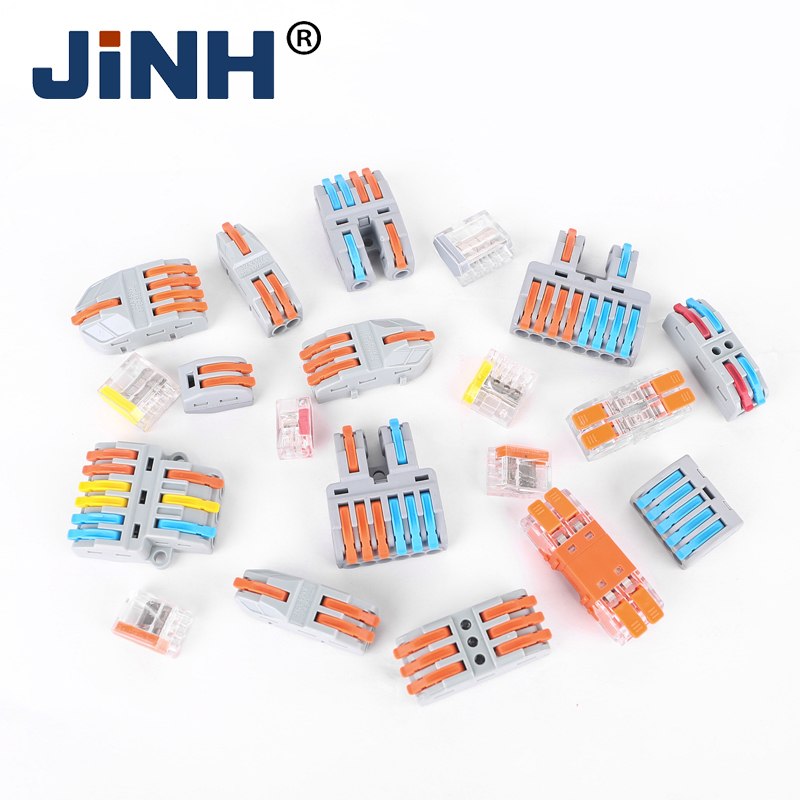 Fast and Reliable Wire Connections with JINH Lever Wire Connectors
 Waterproof Aviation Connectors Built for Harsh Outdoor Environments
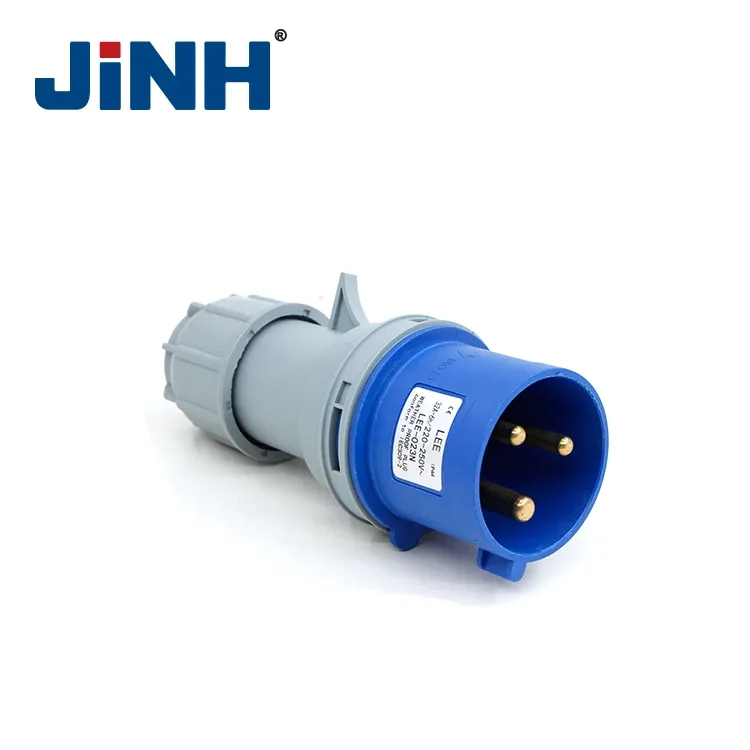 Why IEC 60309 Industrial Plugs Have Become the Preferred Choice for Reliable Industrial Power Connections
 How Insulated Terminals Improve Electrical Connection Safety and Reliability: A Complete Selection Guide
 Powering the Future: Converting Every Ray into Stable Performance
 The Invisible Shield for Outdoor Engineering: How JINH Waterproof Connectors Redefine Reliability