
Understanding Terminal Blocks: Functions, Advantages, and Limitations

Structurally, terminal blocks consist of multiple individual terminals arranged in a long strip, often housed within a durable insulating material such as plastic or ceramic. Their primary function is to provide a reliable and safe connection point for electrical wiring, ensuring efficient power distribution and signal transmission.
With hundreds of millions of terminal blocks in use globally—and more being installed daily—they remain a fundamental component in electrical and electronic systems.

Advantages of Terminal Blocks
1. Cost-Effectiveness
One of the most significant advantages of terminal blocks is their affordability. Compared to other types of electrical connectors, terminal blocks offer a budget-friendly solution without compromising performance. Their simple design and mass production make them an economical choice for large-scale installations.
2. Time Efficiency
Terminal blocks simplify the wiring process, reducing installation time. Unlike soldering or crimping, connecting wires to a terminal block only requires stripping the wire ends and securing them with screws. This ease of use makes them ideal for workshops and industrial settings where quick and reliable connections are essential.
3. Flexibility and Ease of Modification
Flexibility is another key benefit of terminal blocks. They allow for easy addition, removal, or repositioning of wires, making them perfect for applications requiring frequent modifications. Well-organized terminal blocks also enhance troubleshooting efficiency, as technicians can quickly identify and adjust connections without extensive rewiring.
4. Space-Saving Design
Multi-level terminal blocks help optimize panel space by stacking multiple circuits vertically, allowing for more efficient use of space. This design can reduce required space by up to 50%, making it ideal for compact electrical enclosures where efficient space utilization is critical.
5. Enhanced Safety Features
- Terminal blocks improve electrical safety in several ways:
- Grounding: They provide secure grounding points, reducing the risk of electrical faults.
- Isolation: Insulated housings prevent accidental contact with live wires.
- Finger-Safe Designs: Some models feature protective covers to prevent electrical shocks.
- Test Points: Many terminal blocks include built-in test points for safer voltage and continuity testing.
6. Easy Installation and Maintenance
Terminal blocks can be installed quickly using basic tools like a screwdriver. Their screw-clamp mechanism ensures a firm connection while allowing for fast disconnection when maintenance or repairs are needed. This feature is particularly useful in industrial environments where downtime must be minimized.
7. Durable Construction
Most terminal blocks are made from high-quality copper alloys, which match the thermal expansion coefficient of the connected wires. This compatibility prevents loosening due to temperature fluctuations and reduces electrolytic corrosion, which can occur when dissimilar metals interact.

Disadvantages of Terminal Blocks
Despite their many benefits, terminal blocks have some limitations:
1. Vulnerability to Vibration
If exposed to excessive vibration or mechanical stress, wires secured in terminal blocks may loosen over time. Even well-tightened connections can become unreliable in high-vibration environments, such as automotive or heavy machinery applications. To mitigate this issue, additional locking mechanisms or vibration-resistant terminal blocks should be used.
2. Size Constraints
In some applications, terminal blocks may be too large for the available space. While compact versions exist, they may not always be suitable for extremely tight installations. Engineers must carefully select terminal blocks based on spatial requirements and wiring density.
3. Limited Use in High-Current Applications
Standard terminal blocks may not be ideal for very high-current applications, as excessive heat can degrade connections. In such cases, specialized high-amperage terminal blocks or alternative connectors (such as bus bars) may be necessary.
Conclusion
Terminal blocks are indispensable components in electrical systems, offering cost-efficiency, flexibility, safety, and ease of installation. While they have some limitations—such as susceptibility to vibration and space constraints—their advantages make them a preferred choice for many wiring applications. By selecting the appropriate type and ensuring proper installation, engineers and technicians can maximize the reliability and longevity of terminal block connections in any electrical system.
With ongoing advancements in electrical components, terminal blocks continue to evolve, providing even greater efficiency and safety for modern industrial and commercial applications.
 Reliable Connections for Outdoor Applications: JINH Waterproof Aviation Plugs
 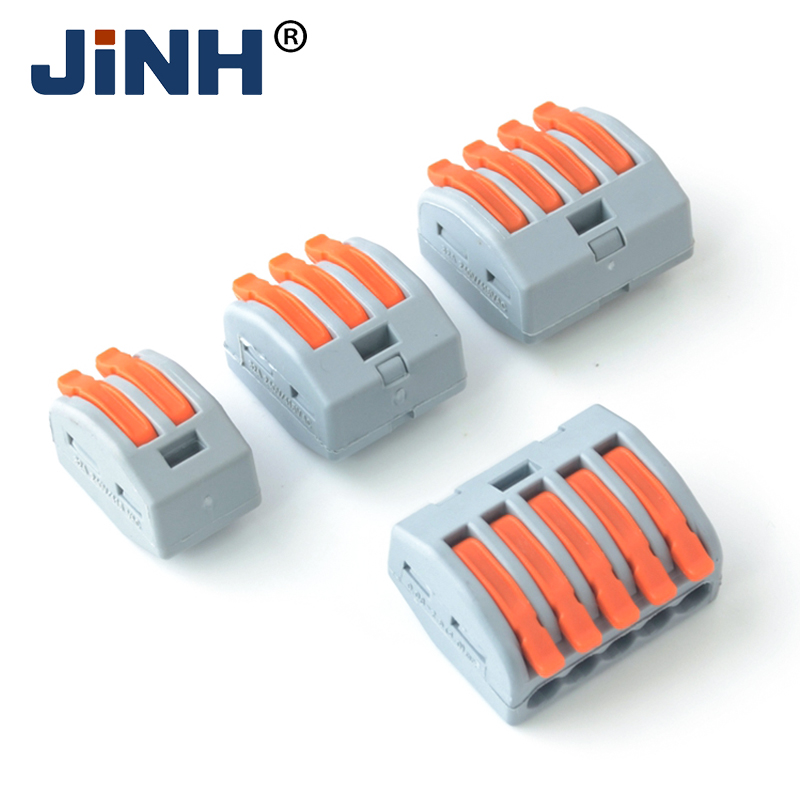 Fast and Flexible Wire Connections: JINH Lever Wire Connectors for Easy Wiring
  Better Protection for Outdoor Wiring: JINH Waterproof Junction Boxes for Reliable Electrical Connections
 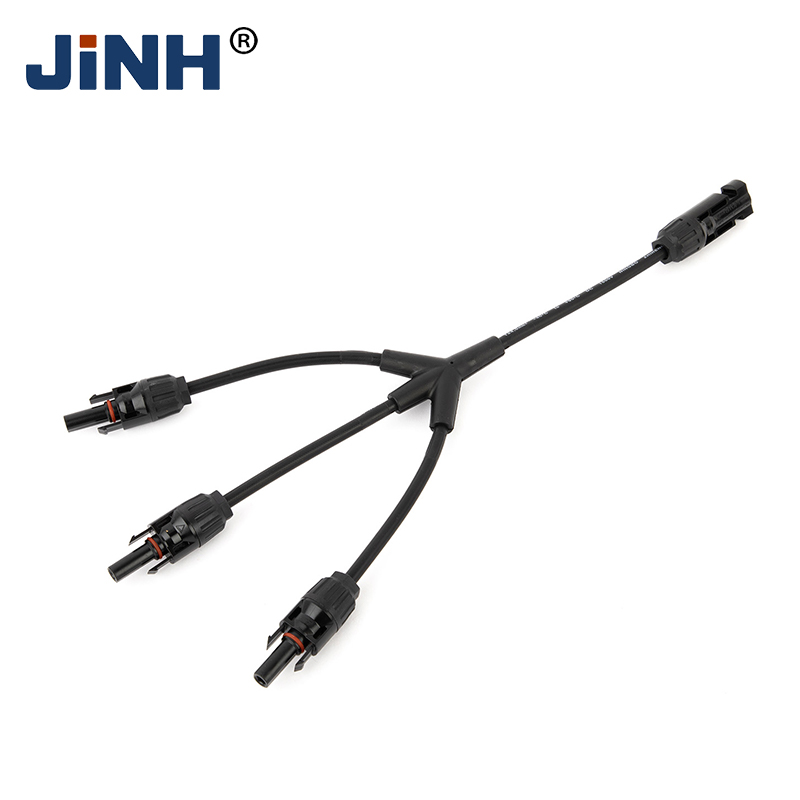 Simplify Solar Wiring with JINH MC4-Y1 Solar Branch Connectors
 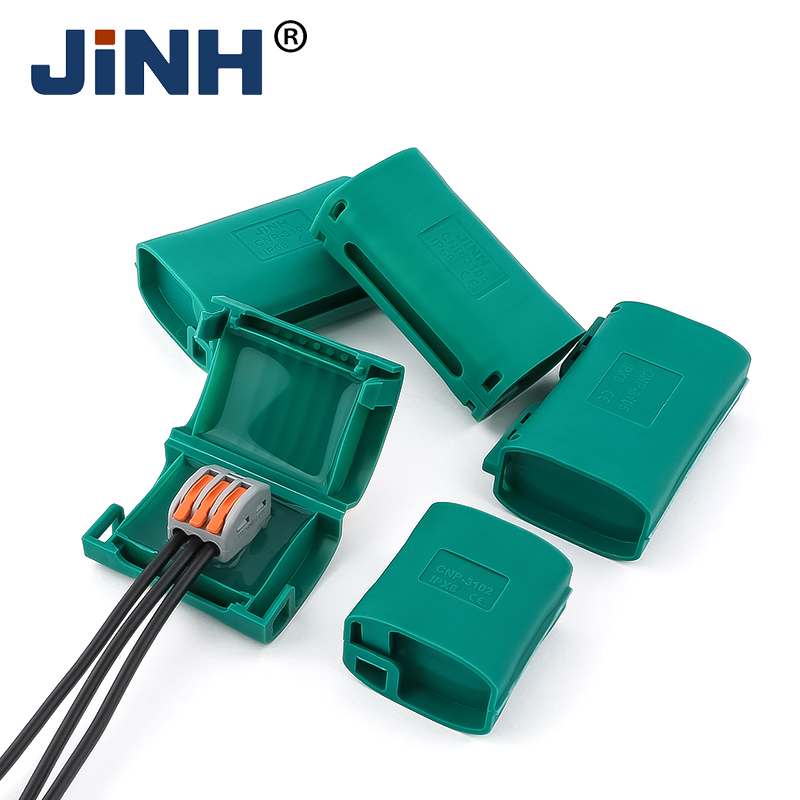 Protect Electrical Connections from Water Damage with JINH Gel Waterproof Junction Box
  Reliable Connections for Solar Power Wiring
  Faster Wiring, Safer Connections – JINH Lever Wire Connectors for Modern Electrical Projects
  Waterproof Protection with Faster Wiring for Better Electrical Connections
 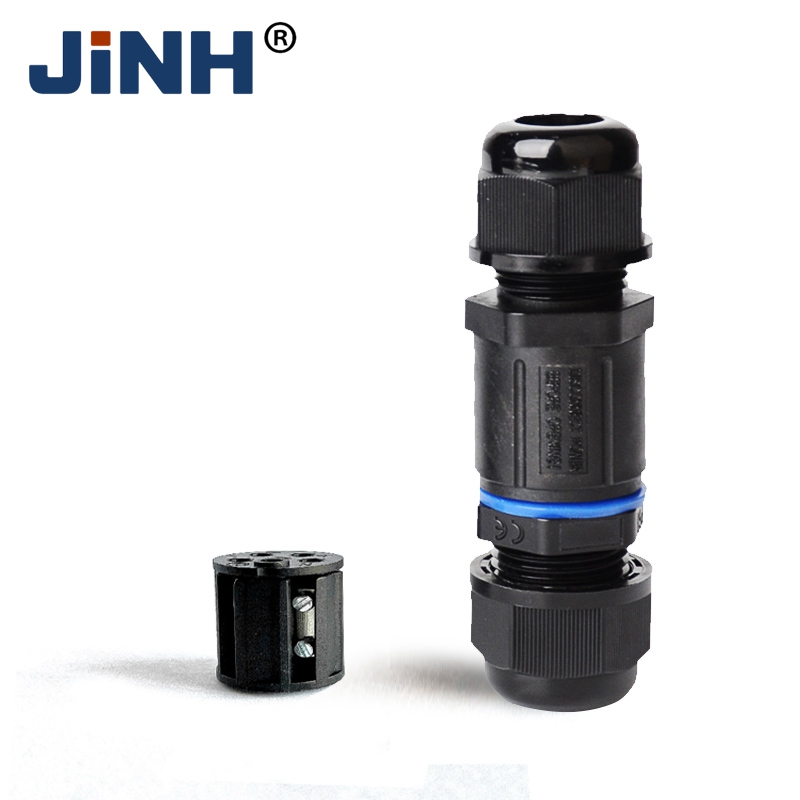 Waterproof Cable Connectors for Reliable Outdoor Electrical Connections
  DIN Rail Distribution Blocks for Safe, Efficient, and Reliable Power Distribution
 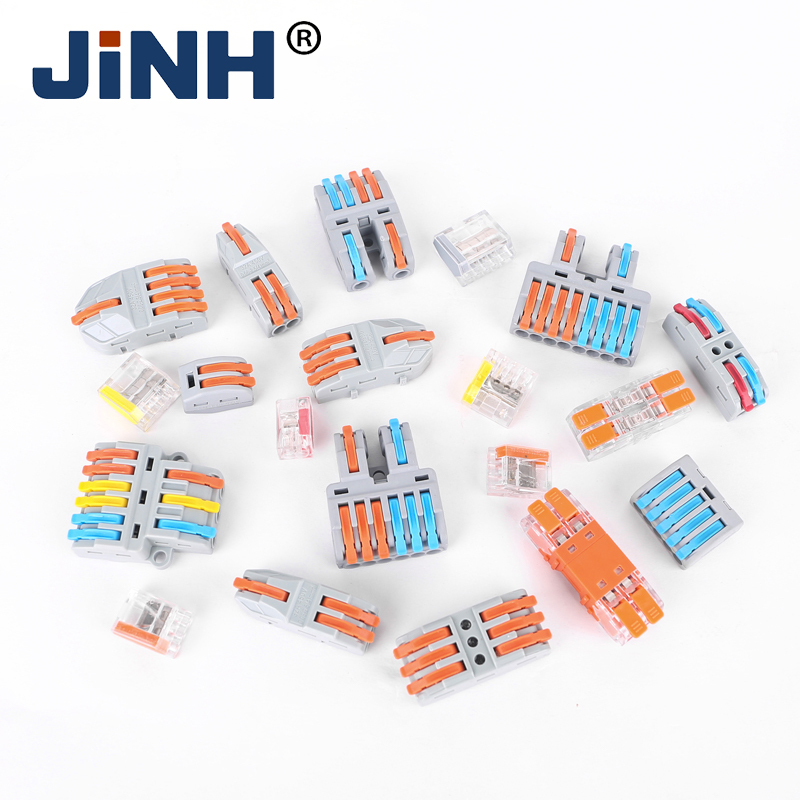 Fast and Reliable Wire Connections with JINH Lever Wire Connectors
  Waterproof Aviation Connectors Built for Harsh Outdoor Environments
 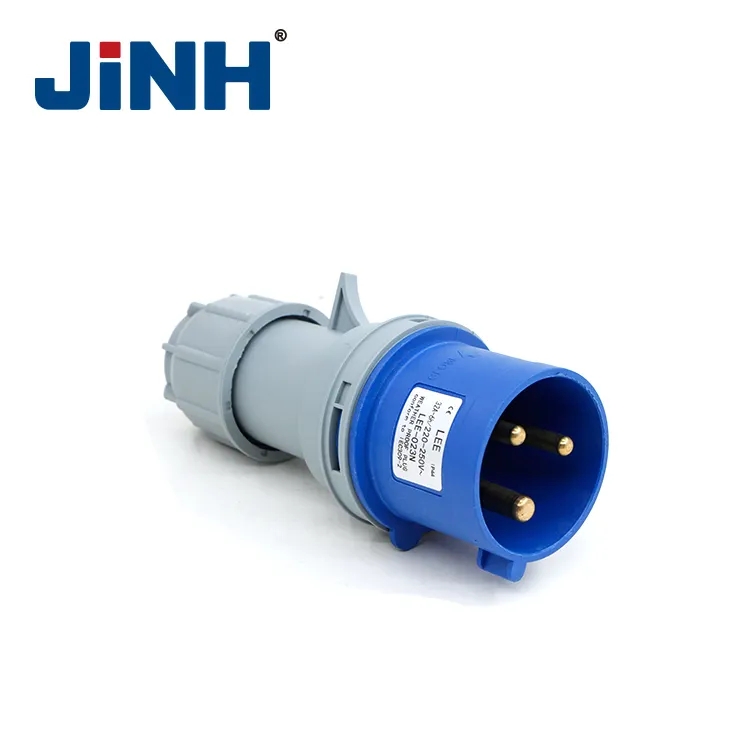 Why IEC 60309 Industrial Plugs Have Become the Preferred Choice for Reliable Industrial Power Connections
  How Insulated Terminals Improve Electrical Connection Safety and Reliability: A Complete Selection Guide
  Powering the Future: Converting Every Ray into Stable Performance
  The Invisible Shield for Outdoor Engineering: How JINH Waterproof Connectors Redefine Reliability
  Safe, Seamless, and Sustained: Demanding More from Your Industrial Electrical Connectivity
  Engineering the Invisible Shield: How JINH CNP Series Redefines Waterproof Integrity
  Premium CMK Terminal Blocks | Industrial Grade Flame Retardant & High Temp Resistant, High Conductivity Quick Install Terminal for Control Cabinet
  BREAKTHROUGH! IP68 Waterproof Junction Box CNP Series — Solve Outdoor/Buried Wiring Problems Once and for All!