
How to Remove Wire from CMK Series Quick Connector
2025-03-13
How to Easily Remove Wires from Quick Connectors Without Damage
Quick connectors, like our CMK series of CMK66 series have revolutionized the way we handle electrical installations. Their tool-free, secure, and efficient design makes them a favorite among professionals and DIY enthusiasts alike. However, when it comes to removing wires, doing it incorrectly can lead to damage or compromise the connector's effectiveness. In this guide, we’ll show you how to safely and easily remove wires from quick connectors without causing any harm.
Step-by-Step Guide to Remove Wires Safely
1. Power Off the Circuit
Before attempting to remove any wires, make sure the power is turned off at the main switch or circuit breaker. Safety should always come first to avoid electrical shocks or short circuits.
2. Identify the Release Lever
The CMK Series Quick Connectors feature a convenient orange lever for wire release. This lever not only simplifies installation but also makes wire removal a breeze.
3. Lift the Lever Gently
Use your thumb and index finger to lift the orange lever upwards to a vertical position (90° angle). This action releases the internal spring mechanism, which securely holds the wire. Avoid applying excessive force to prevent damaging the lever.
4. Pull Out the Wire
Once the lever is in the open position,grasp the wire firmly near the connector and pull it straight out. Avoid twisting or pulling at an angle, as this might damage the wire insulation or the connector’s internal contacts.
5. Inspect the Wire and Connector
After removal, chek the wire for any signs of damage or corrosion. Inspect the connector’s internal contacts to ensure they are clean and free from debris. If everything looks good, the connector is ready for reuse.
Tips for Easy Wire Removal
Avoid yanking:Always release the lever first; pulling without doing so can damage the connector.
Use proper tools if necessary:If the lever is hard to lift, use a small flathead screwdriver to help.
Check wire ends:Re-strip wires if necessary before reinsertin
Quick connectors, like our CMK series of CMK66 series have revolutionized the way we handle electrical installations. Their tool-free, secure, and efficient design makes them a favorite among professionals and DIY enthusiasts alike. However, when it comes to removing wires, doing it incorrectly can lead to damage or compromise the connector's effectiveness. In this guide, we’ll show you how to safely and easily remove wires from quick connectors without causing any harm.
Step-by-Step Guide to Remove Wires Safely
1. Power Off the Circuit
Before attempting to remove any wires, make sure the power is turned off at the main switch or circuit breaker. Safety should always come first to avoid electrical shocks or short circuits.
2. Identify the Release Lever
The CMK Series Quick Connectors feature a convenient orange lever for wire release. This lever not only simplifies installation but also makes wire removal a breeze.
3. Lift the Lever Gently
Use your thumb and index finger to lift the orange lever upwards to a vertical position (90° angle). This action releases the internal spring mechanism, which securely holds the wire. Avoid applying excessive force to prevent damaging the lever.
4. Pull Out the Wire
Once the lever is in the open position,grasp the wire firmly near the connector and pull it straight out. Avoid twisting or pulling at an angle, as this might damage the wire insulation or the connector’s internal contacts.
5. Inspect the Wire and Connector
After removal, chek the wire for any signs of damage or corrosion. Inspect the connector’s internal contacts to ensure they are clean and free from debris. If everything looks good, the connector is ready for reuse.
Tips for Easy Wire Removal
Avoid yanking:Always release the lever first; pulling without doing so can damage the connector.
Use proper tools if necessary:If the lever is hard to lift, use a small flathead screwdriver to help.
Check wire ends:Re-strip wires if necessary before reinsertin
 Reliable Connections for Outdoor Applications: JINH Waterproof Aviation Plugs
 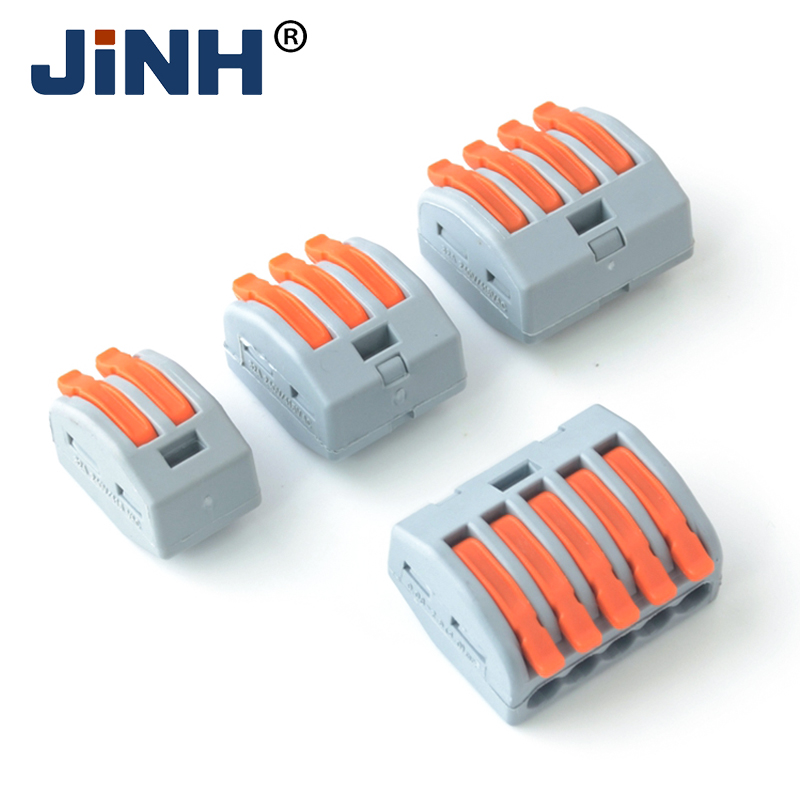 Fast and Flexible Wire Connections: JINH Lever Wire Connectors for Easy Wiring
  Better Protection for Outdoor Wiring: JINH Waterproof Junction Boxes for Reliable Electrical Connections
 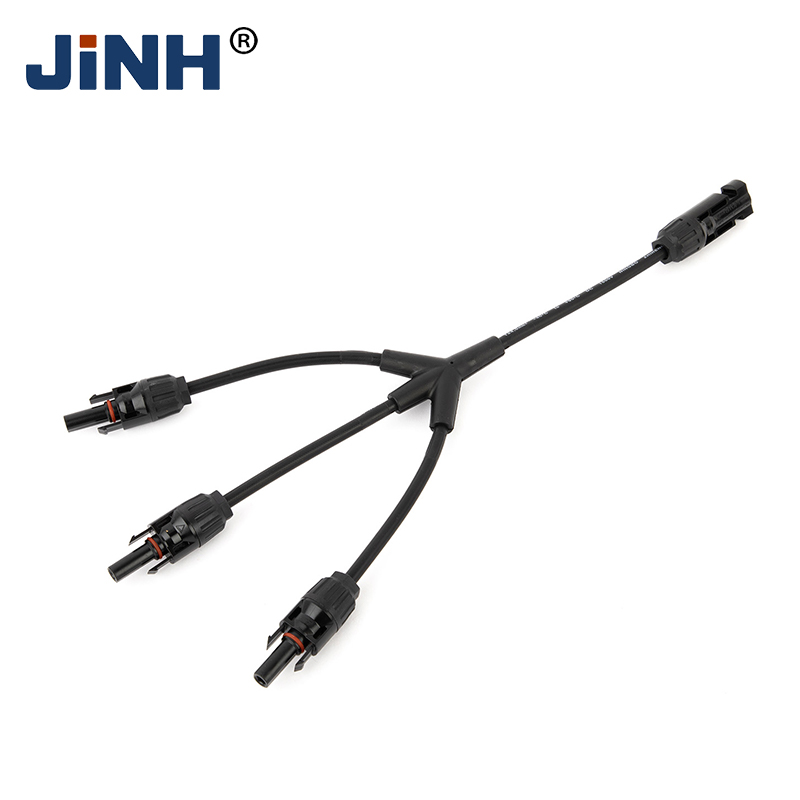 Simplify Solar Wiring with JINH MC4-Y1 Solar Branch Connectors
 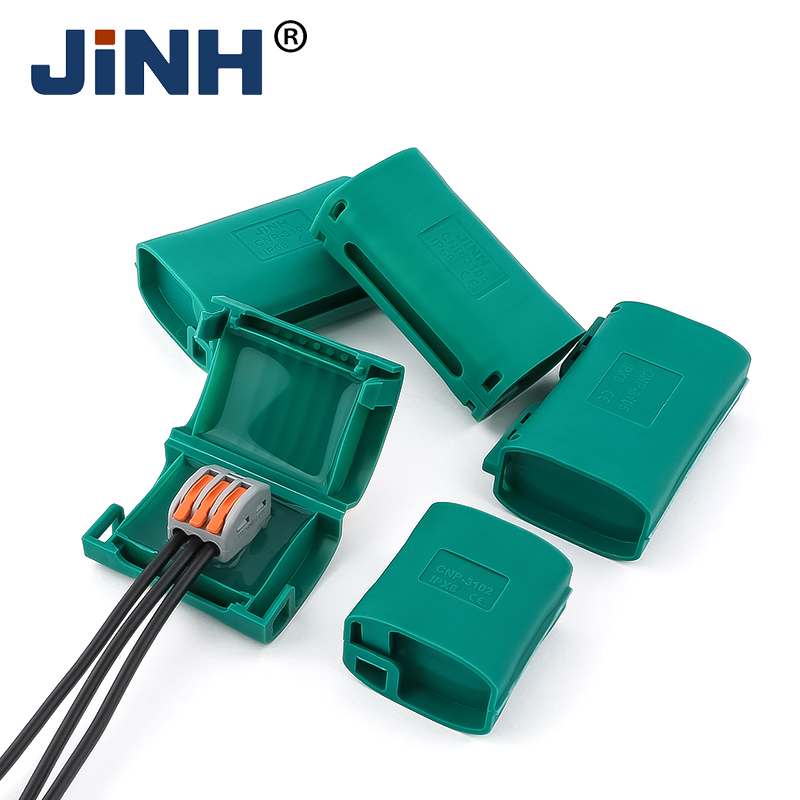 Protect Electrical Connections from Water Damage with JINH Gel Waterproof Junction Box
  Reliable Connections for Solar Power Wiring
  Faster Wiring, Safer Connections – JINH Lever Wire Connectors for Modern Electrical Projects
  Waterproof Protection with Faster Wiring for Better Electrical Connections
 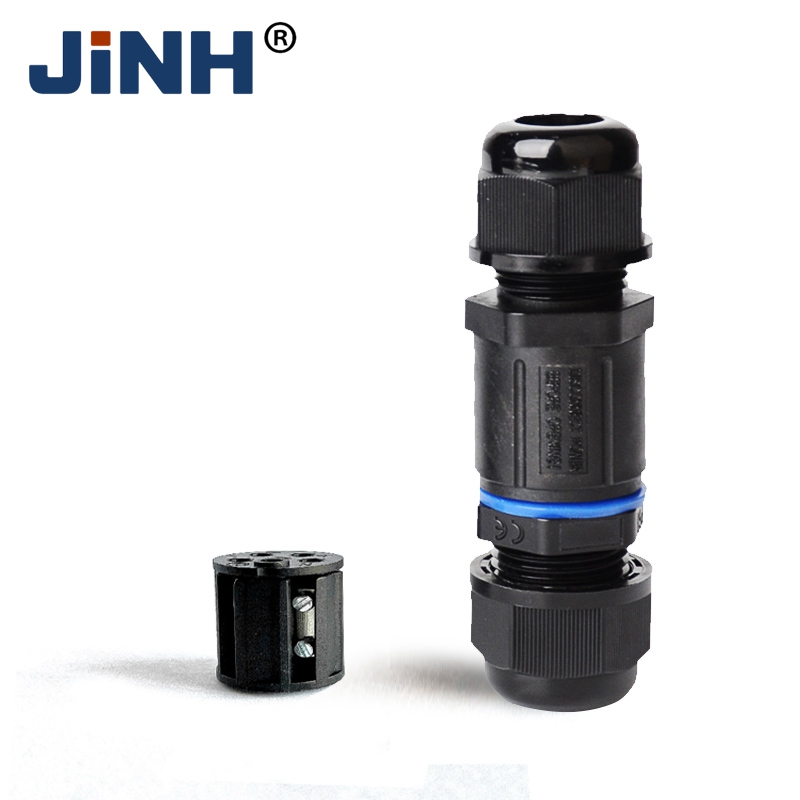 Waterproof Cable Connectors for Reliable Outdoor Electrical Connections
  DIN Rail Distribution Blocks for Safe, Efficient, and Reliable Power Distribution
 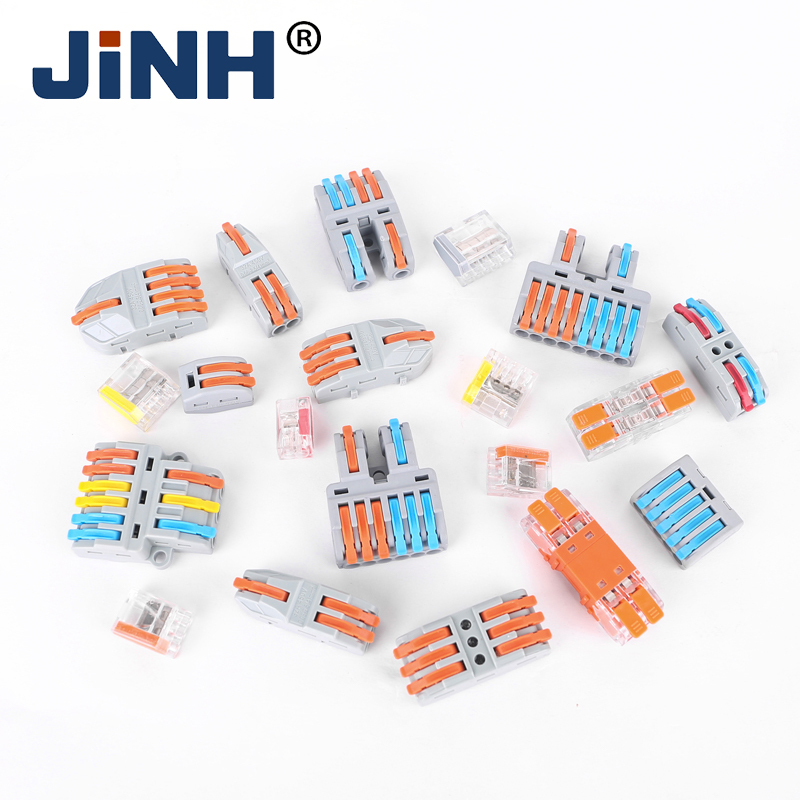 Fast and Reliable Wire Connections with JINH Lever Wire Connectors
  Waterproof Aviation Connectors Built for Harsh Outdoor Environments
 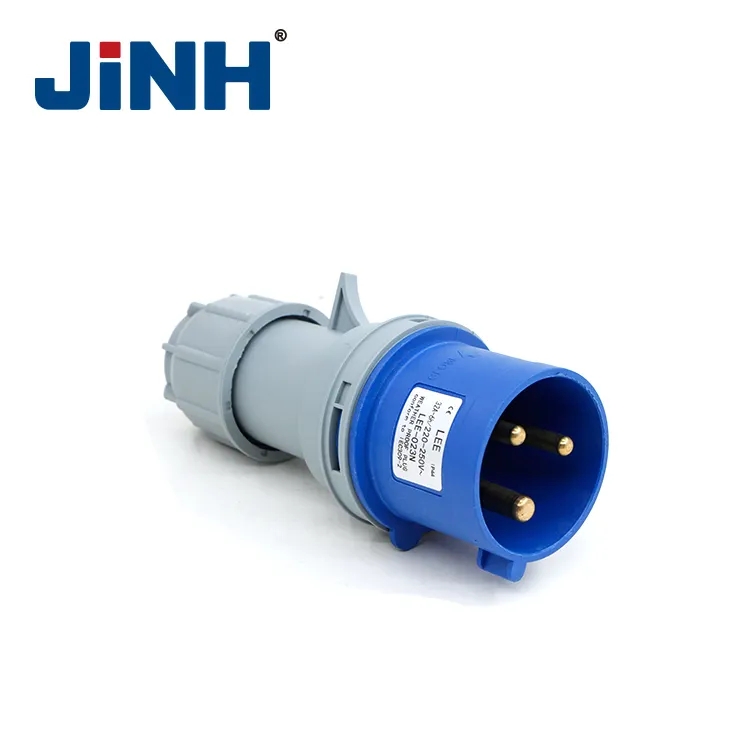 Why IEC 60309 Industrial Plugs Have Become the Preferred Choice for Reliable Industrial Power Connections
  How Insulated Terminals Improve Electrical Connection Safety and Reliability: A Complete Selection Guide
  Powering the Future: Converting Every Ray into Stable Performance
  The Invisible Shield for Outdoor Engineering: How JINH Waterproof Connectors Redefine Reliability
  Safe, Seamless, and Sustained: Demanding More from Your Industrial Electrical Connectivity
  Engineering the Invisible Shield: How JINH CNP Series Redefines Waterproof Integrity
  Premium CMK Terminal Blocks | Industrial Grade Flame Retardant & High Temp Resistant, High Conductivity Quick Install Terminal for Control Cabinet
  BREAKTHROUGH! IP68 Waterproof Junction Box CNP Series — Solve Outdoor/Buried Wiring Problems Once and for All!