
Terminal Blocks vs. Bus Bars: Key Differences in Electrical Distribution

In electrical systems, wires and cables should be securely organized to ensure safe and efficient operation. Typically, there are two common components used for this purpose: terminal blocks and bus bars. While both help manage electrical connections, do you know if they serve different or the same roles?
This article explains what terminal blocks and bus bars are, how they work, and when to use each one.
What Is a Terminal Block?

A terminal block is a kind of modular, insulated connector that holds and organizes multiple wires in a circuit. It has:
- An insulated cover (usually plastic)
- A metal conductor is inside to carry the current
- A clamping mechanism (screw, spring, or push-in) to hold wires
- Safe and Organized Connections – Each wire has its dedicated point, reducing the risk of short circuits.
- Easy Maintenance – Wires can be disconnected individually without affecting the whole system.
- Many applications – Used in control panels, industrial machinery, and household wiring.
Example Uses:
- Connecting sensors in an automation system
- Wiring inside an electrical cabinet
- Linking multiple circuits in a breaker panel
What Is a Bus Bar?

A bus bar (or busbar) is a kind of solid metal strip (usually copper or aluminum) that distributes high electrical current across multiple connections. Unlike terminal blocks, bus bars act as a common power junction where multiple circuits tap into the same source.
Key Features of Bus Bars:
- High Current Capacity – Handles large power loads without overheating.
- Efficient Power Distribution – Multiple connections share a single power source.
- Space-Saving – Replaces multiple wires with a single metal bar.
Example Uses:
- Electrical panels and switchgear
- Battery banks in solar power systems
- Power distribution in data centers
Terminal Block vs. Bus Bar: Key Differences
| Feature | Terminal Block | Bus Bar |
| Design | Insulated, modular | Solid metal strip |
| Connections | Individual wires | Multiple taps from one power source |
| Current Rating | Low to medium | High |
| Flexibility | Easy to modify | Fixed connections |
| Best For | Control circuits, signal wiring | Power distribution, high-current systems |
When to Use a Terminal Block:
- You need separate, insulated connections for different wires.
- The system requires frequent maintenance or rewiring.
- Working with low to medium current (e.g., sensors, relays).
When to Use a Bus Bar:
- Distributing high current (e.g., main power lines).
- Multiple devices share the same power source.
- Space efficiency is important (e.g., breaker panels).
Which One Should You Choose?
The choice depends on your electrical system's needs:
- Use terminal blocks for organized, low-to-medium current wiring where flexibility is key.
- Use bus bars for high-power distribution where efficiency and space savings matter.
In some cases, both are used together—bus bars for main power distribution and terminal blocks for branch circuits.
Conclusion
Terminal blocks and bus bars serve different but equally important roles in electrical systems:
- Terminal blocks = Safe, flexible connections for individual wires
- Bus bars = Efficient power distribution for high-current systems
Understanding their differences helps you design safer, more efficient electrical setups.
This version keeps the technical details accurate while making the content easier to read. Let me know if you'd like any refinements!
 Reliable Connections for Outdoor Applications: JINH Waterproof Aviation Plugs
 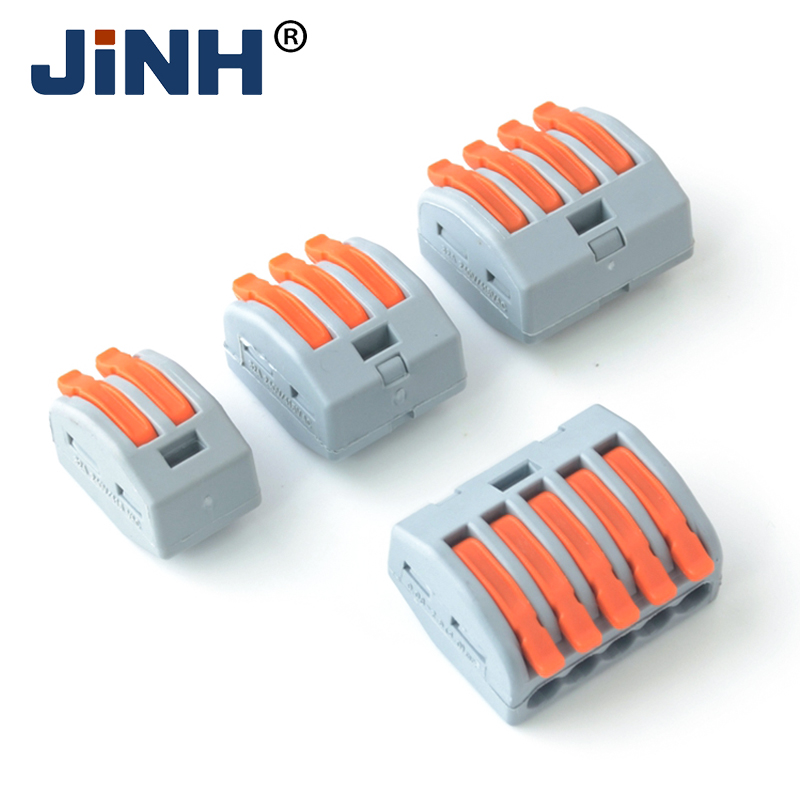 Fast and Flexible Wire Connections: JINH Lever Wire Connectors for Easy Wiring
  Better Protection for Outdoor Wiring: JINH Waterproof Junction Boxes for Reliable Electrical Connections
 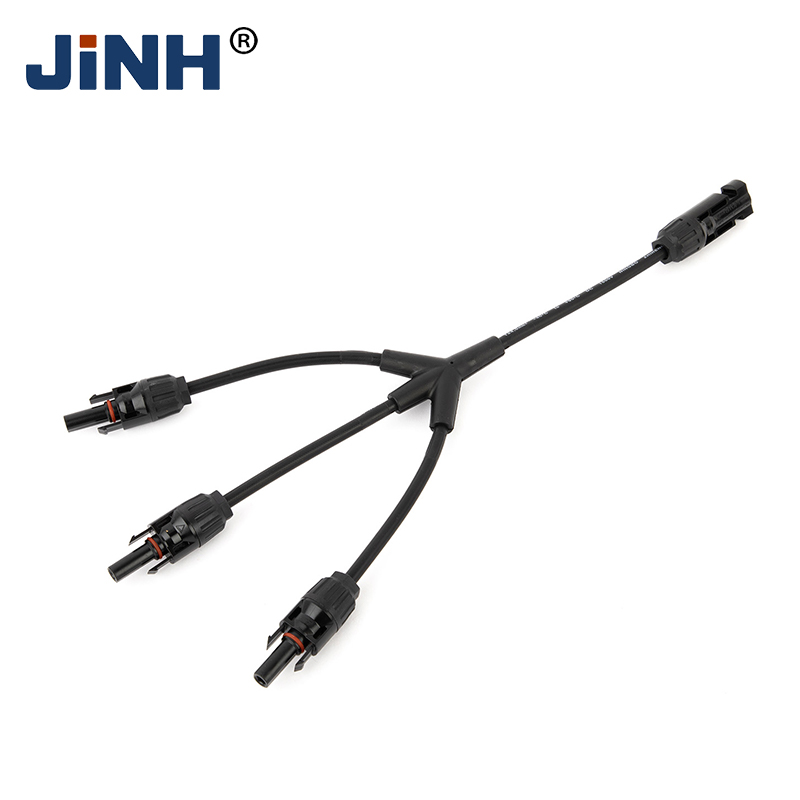 Simplify Solar Wiring with JINH MC4-Y1 Solar Branch Connectors
 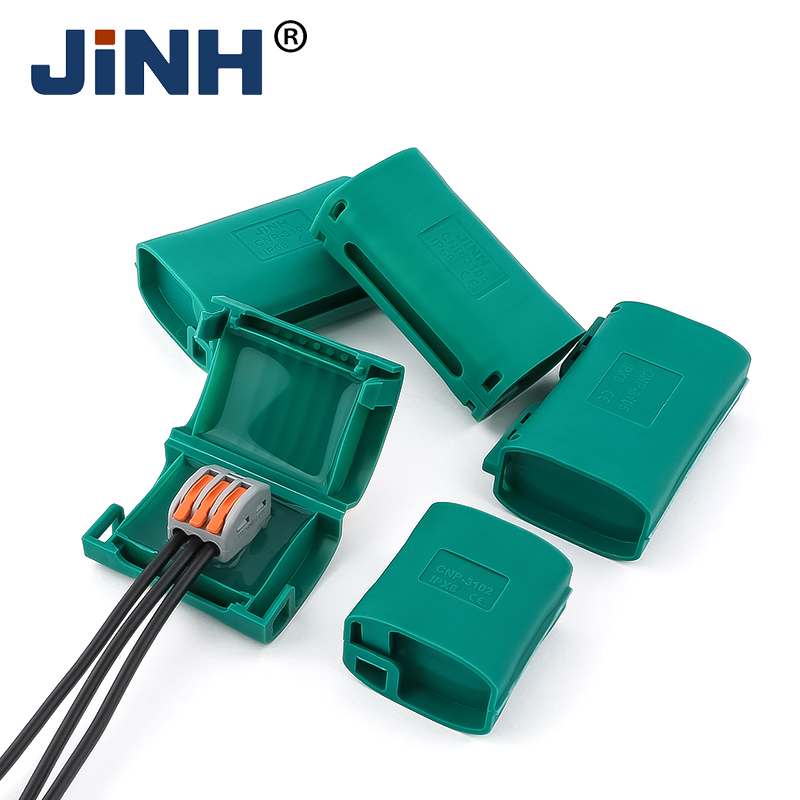 Protect Electrical Connections from Water Damage with JINH Gel Waterproof Junction Box
  Reliable Connections for Solar Power Wiring
  Faster Wiring, Safer Connections – JINH Lever Wire Connectors for Modern Electrical Projects
  Waterproof Protection with Faster Wiring for Better Electrical Connections
 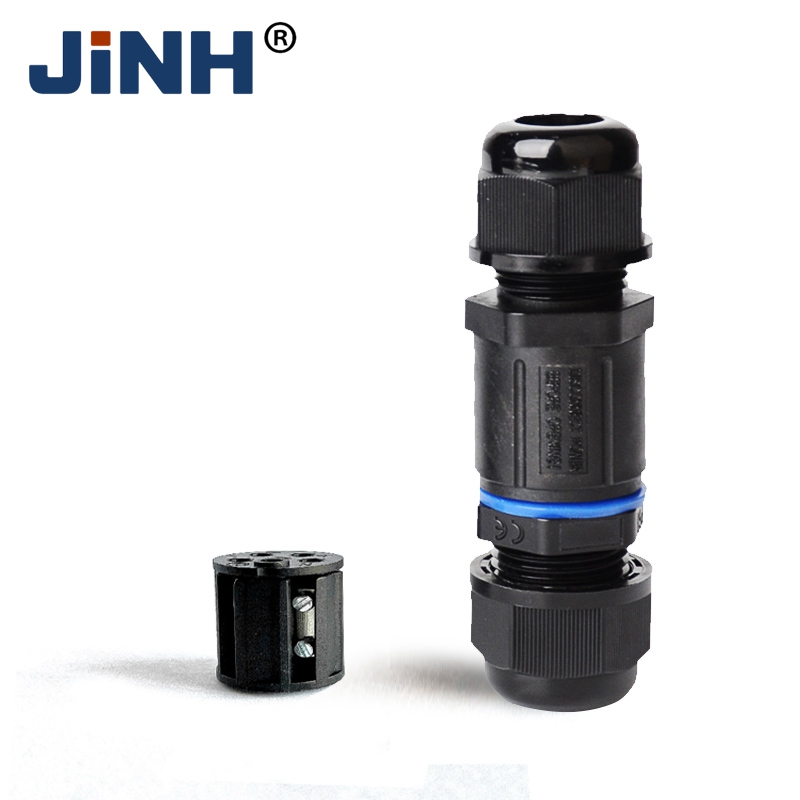 Waterproof Cable Connectors for Reliable Outdoor Electrical Connections
  DIN Rail Distribution Blocks for Safe, Efficient, and Reliable Power Distribution
 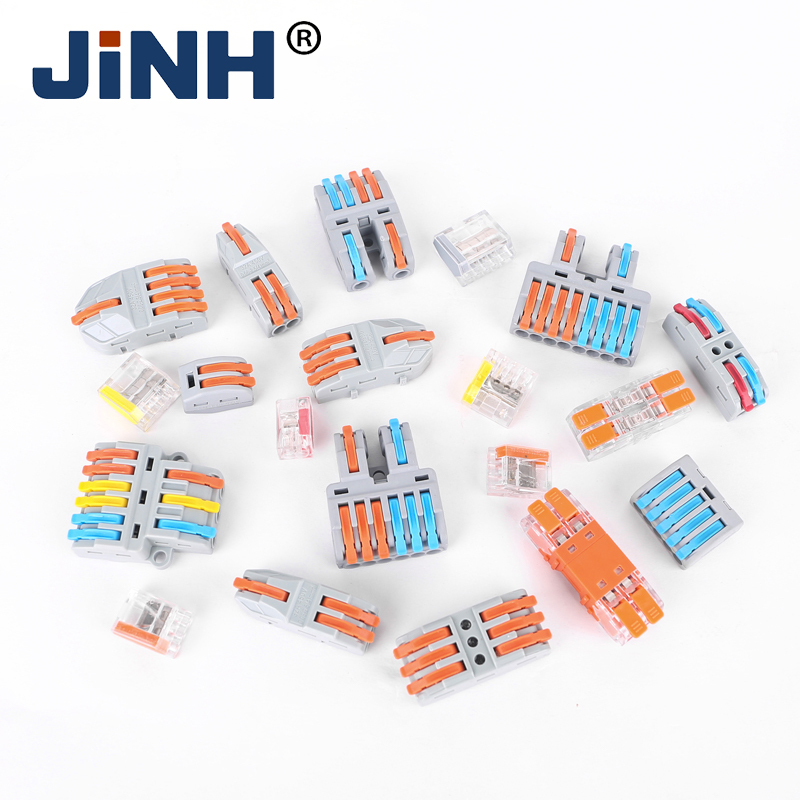 Fast and Reliable Wire Connections with JINH Lever Wire Connectors
  Waterproof Aviation Connectors Built for Harsh Outdoor Environments
 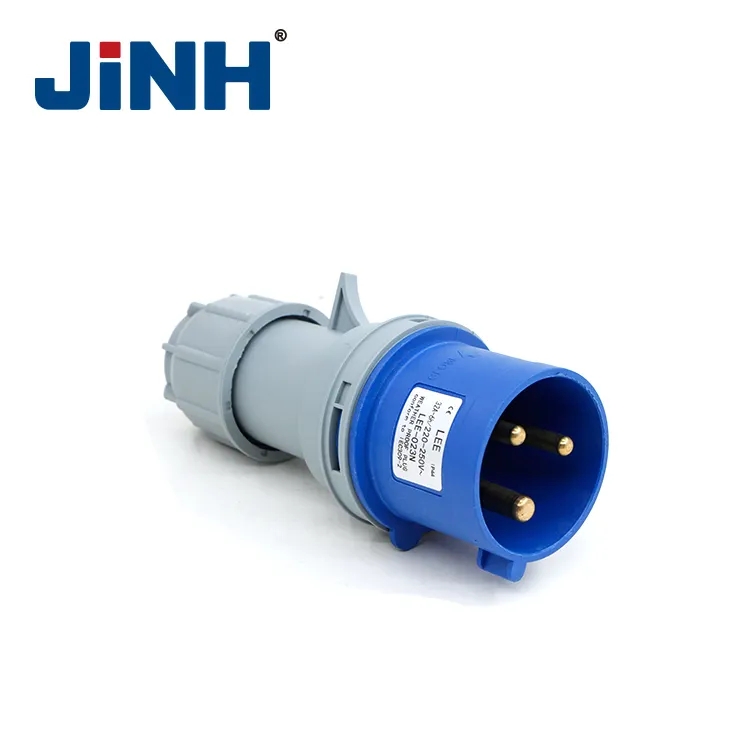 Why IEC 60309 Industrial Plugs Have Become the Preferred Choice for Reliable Industrial Power Connections
  How Insulated Terminals Improve Electrical Connection Safety and Reliability: A Complete Selection Guide
  Powering the Future: Converting Every Ray into Stable Performance
  The Invisible Shield for Outdoor Engineering: How JINH Waterproof Connectors Redefine Reliability
  Safe, Seamless, and Sustained: Demanding More from Your Industrial Electrical Connectivity
  Engineering the Invisible Shield: How JINH CNP Series Redefines Waterproof Integrity
  Premium CMK Terminal Blocks | Industrial Grade Flame Retardant & High Temp Resistant, High Conductivity Quick Install Terminal for Control Cabinet
  BREAKTHROUGH! IP68 Waterproof Junction Box CNP Series — Solve Outdoor/Buried Wiring Problems Once and for All!