
More Information About Terminal Blocks

Terminal blocks are essential components in countless electrical and electronic devices, acting as convenient connection points to join wires together. However, with numerous types, features, and connection methods available, selecting and utilizing the right one can seem complicated. This guide breaks down everything you need to know about terminal blocks into simple, easy-to-understand language. Whether you're a student, a DIY enthusiast, or a new technician, you'll learn about the different types, how to install them safely, and how to select the best one for your project.
1. Types of Terminal Blocks
Single Feed Through. This is the simplest type. It connects two wires. One wire connects to one side, and another wire connects to the opposite side. They are then connected inside the block.
Dual Level: These blocks have two rows of connections, one on top of the other. This design saves space and makes wiring easier. Often, a small part called a "bridge" can be used to link the two levels together for more flexible circuit designs.
Three Level: Just like the dual level, but with a third row of connections stacked on top. They can also use bridges to connect the different levels.
High-Density Blocks. These are designed for manufacturers (OEMs). They are easy to install and have wide labels that can be written on or printed for easy identification.
2. Special Features
Pluggable Blocks: These blocks have a plug. This allows you to easily disconnect a circuit for testing, maintenance, or without having to rewire everything. You can also arrange them so that pulling one plug cuts power to a whole group of terminals at once.
Stackable Block: To save even more space, these blocks can be snapped together side-by-side. They are usually mounted on a standard DIN rail.
Indicator Light Some blocks have a small light (LED) that turns on to show that electricity is flowing through them.
Diode Blocks with diodes allow for safe testing of lights (like bulbs) and protect equipment from incorrect wiring (reverse polarity).
3. Orientation and Specifications
Terminal blocks come in three main angles for the wire to enter: straight up (180°), straight in (90°), or at a 45° angle.
Each wire connection point is called a "contact," "position," "way," or "pole." You need to know how many contacts you need to match the number of wires in your project.
"Contact pitch" is the distance (in millimeters) between the centers of each contact hole. This determines how many contacts can fit in a block.
4. How to Install a Screw-Type Terminal Block
- Safety First: Always turn off the power before you start.
- Strip the Wire: Remove about an inch of the plastic insulation from the end of the wire.
- Loosen the Screw: Unscrew the terminal screw just enough to insert the wire.
- Insert and Tighten: Put the bare wire into the hole and carefully tighten the screw back down.
- Important: The screw must be tight enough. A loose connection will overheat, melt the insulation, and could cause a fire.
- Be Careful: Don't overtighten the screw, as this can crush the wire and also create a bad or dangerous connection.

5. Making a Plug-In Connection
- Run the wires to the terminal block.
- Connect the male plug to the female socket.
- Push firmly until it clicks into place to ensure a secure connection that won't shake loose.
6. Testing for Safety
After everything is connected, turn the power back on and test your equipment. Check that everything works correctly and feels cool to the touch (no excessive heat). Make sure all wires are still secure.
7. Mounting Options
Terminal blocks are usually mounted in one of three ways:
- Screwed directly onto a surface.
- Snapped onto a standard metal DIN rail.
- Mounted on a PCB (Printed Circuit Board).
There are different DIN rail sizes:
- Miniature Top-Hat Rail: 15 mm wide, for up to 300V.
- G32 Rail: 32 mm wide and G-shaped, for up to 60V.
- Top-Hat Rail: 35 mm wide, for up to 600V.
PCB-mounted blocks either plug into a socket on the board or have pins that are soldered directly through it.
8. Wire Connection Methods
Insulation Displacement Connection (IDC) You simply push the wire (without stripping it first) between two sharp metal blades. The blades cut through the insulation to make contact with the wire inside. Works with both solid and stranded wires.
Screw Clamp: The classic method. You tighten a screw to clamp the wire in place. It's very reliable and works with a wide range of wire sizes.
Spring Clamp: A modern alternative to screws. A spring provides the force to clamp the wire. You just push the wire (often with a ferrule crimped on) into the hole, and it locks in place. To release it, you usually need to push a lever with a small tool. Great for tight spaces and small wires.
Tab Connection (Blade/Spade) This uses a quick-connect metal tab. A wire with a special crimped connector just slides on and off the tab—no tools needed for connection/disconnection. Some blocks mix a tab on one side with a screw clamp on the other.
Conclusion
In summary, terminal blocks are versatile and crucial components that simplify wiring and make connections more reliable and manageable. From basic single feed-through types to high-density and multi-level blocks, there is a wide range designed to save space and meet various needs. Key features like plugs, lights, and diodes add functionality, while different mounting options and
 Reliable Connections for Outdoor Applications: JINH Waterproof Aviation Plugs
 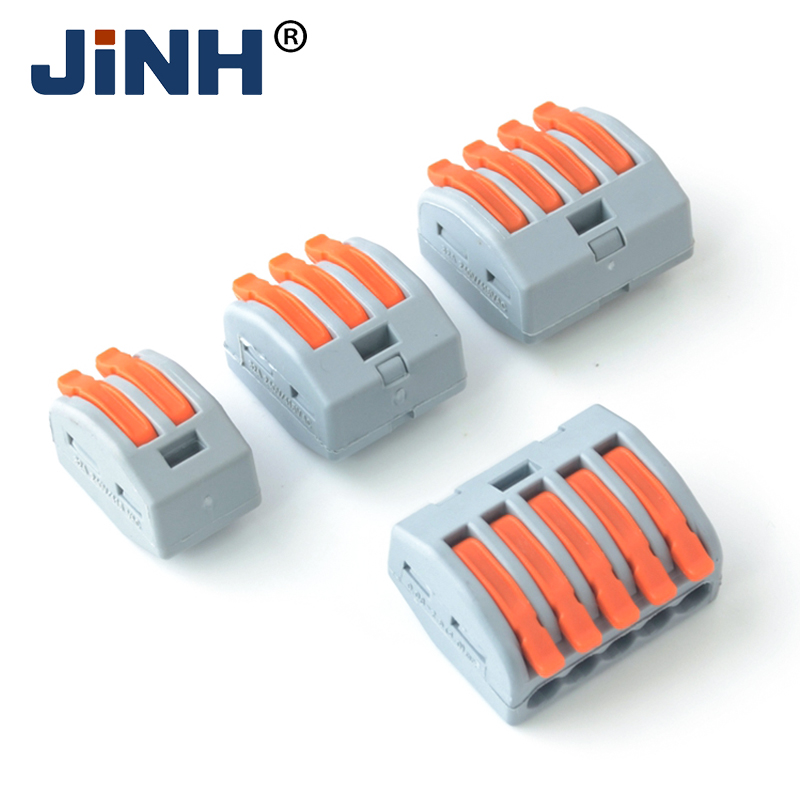 Fast and Flexible Wire Connections: JINH Lever Wire Connectors for Easy Wiring
  Better Protection for Outdoor Wiring: JINH Waterproof Junction Boxes for Reliable Electrical Connections
 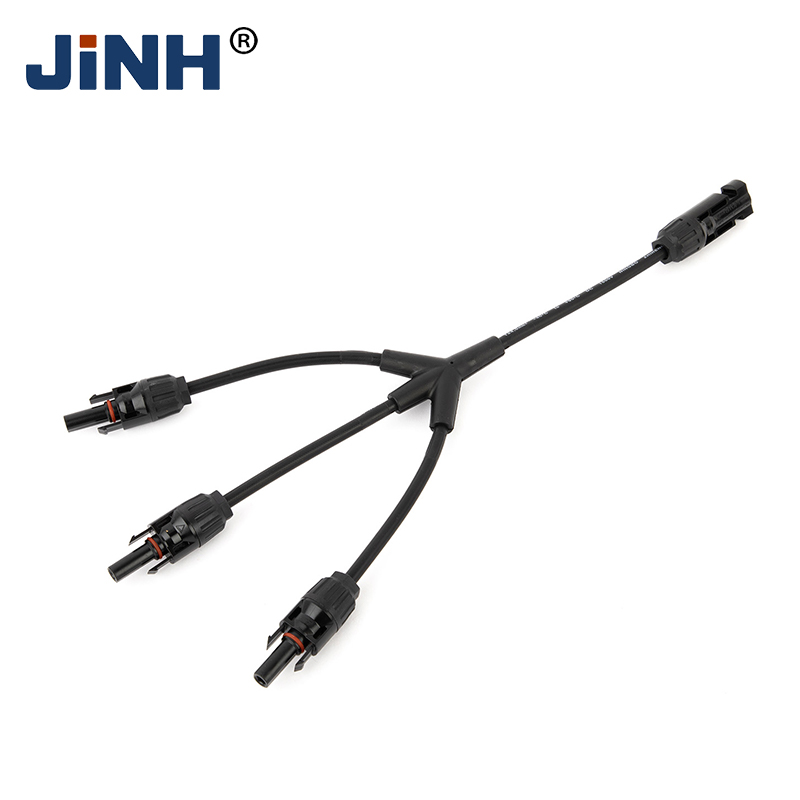 Simplify Solar Wiring with JINH MC4-Y1 Solar Branch Connectors
 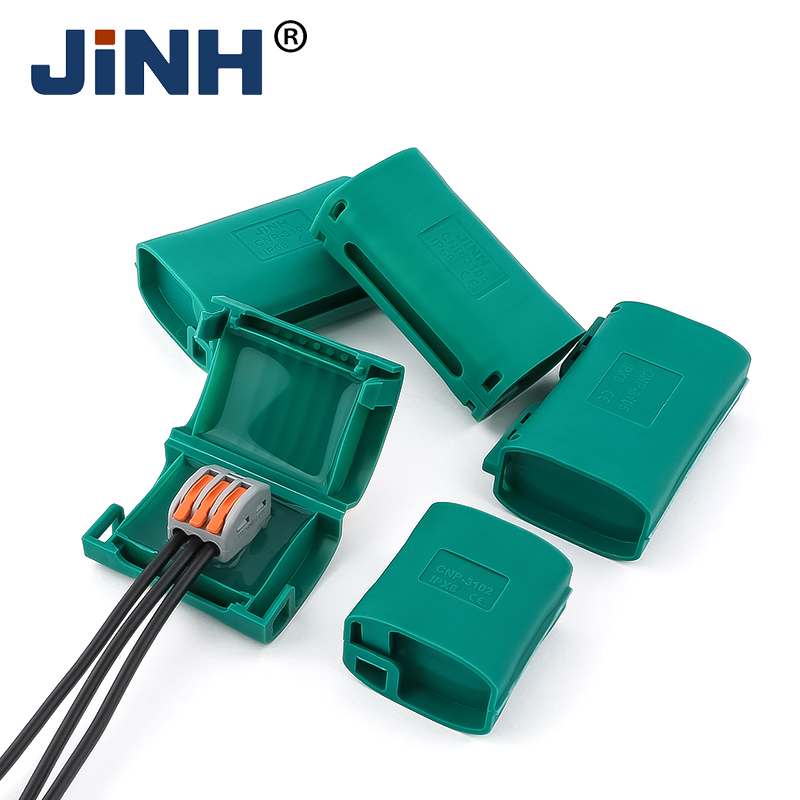 Protect Electrical Connections from Water Damage with JINH Gel Waterproof Junction Box
  Reliable Connections for Solar Power Wiring
  Faster Wiring, Safer Connections – JINH Lever Wire Connectors for Modern Electrical Projects
  Waterproof Protection with Faster Wiring for Better Electrical Connections
 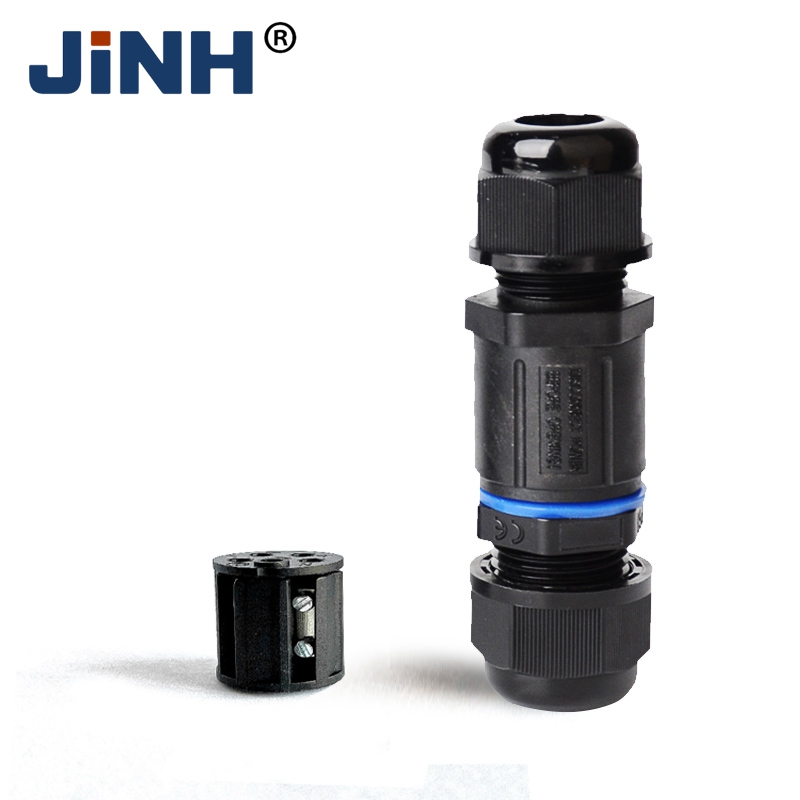 Waterproof Cable Connectors for Reliable Outdoor Electrical Connections
  DIN Rail Distribution Blocks for Safe, Efficient, and Reliable Power Distribution
 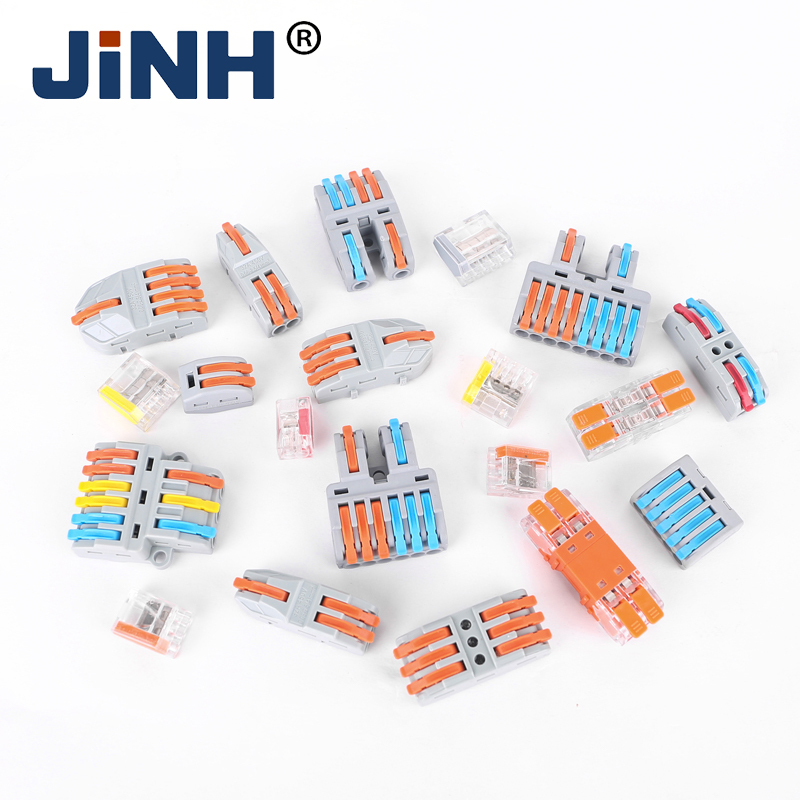 Fast and Reliable Wire Connections with JINH Lever Wire Connectors
  Waterproof Aviation Connectors Built for Harsh Outdoor Environments
 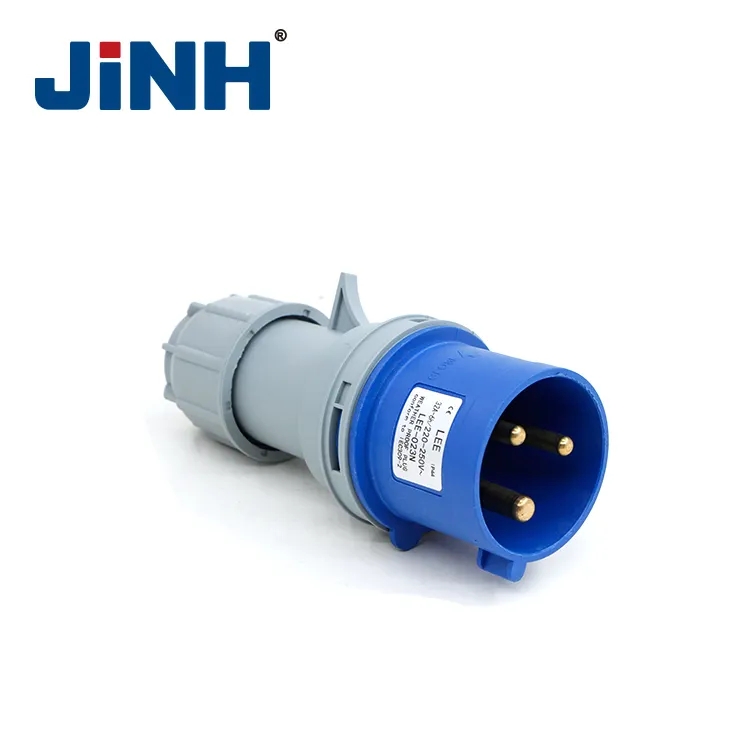 Why IEC 60309 Industrial Plugs Have Become the Preferred Choice for Reliable Industrial Power Connections
  How Insulated Terminals Improve Electrical Connection Safety and Reliability: A Complete Selection Guide
  Powering the Future: Converting Every Ray into Stable Performance
  The Invisible Shield for Outdoor Engineering: How JINH Waterproof Connectors Redefine Reliability
  Safe, Seamless, and Sustained: Demanding More from Your Industrial Electrical Connectivity
  Engineering the Invisible Shield: How JINH CNP Series Redefines Waterproof Integrity
  Premium CMK Terminal Blocks | Industrial Grade Flame Retardant & High Temp Resistant, High Conductivity Quick Install Terminal for Control Cabinet
  BREAKTHROUGH! IP68 Waterproof Junction Box CNP Series — Solve Outdoor/Buried Wiring Problems Once and for All!